SSL ODYSSEY
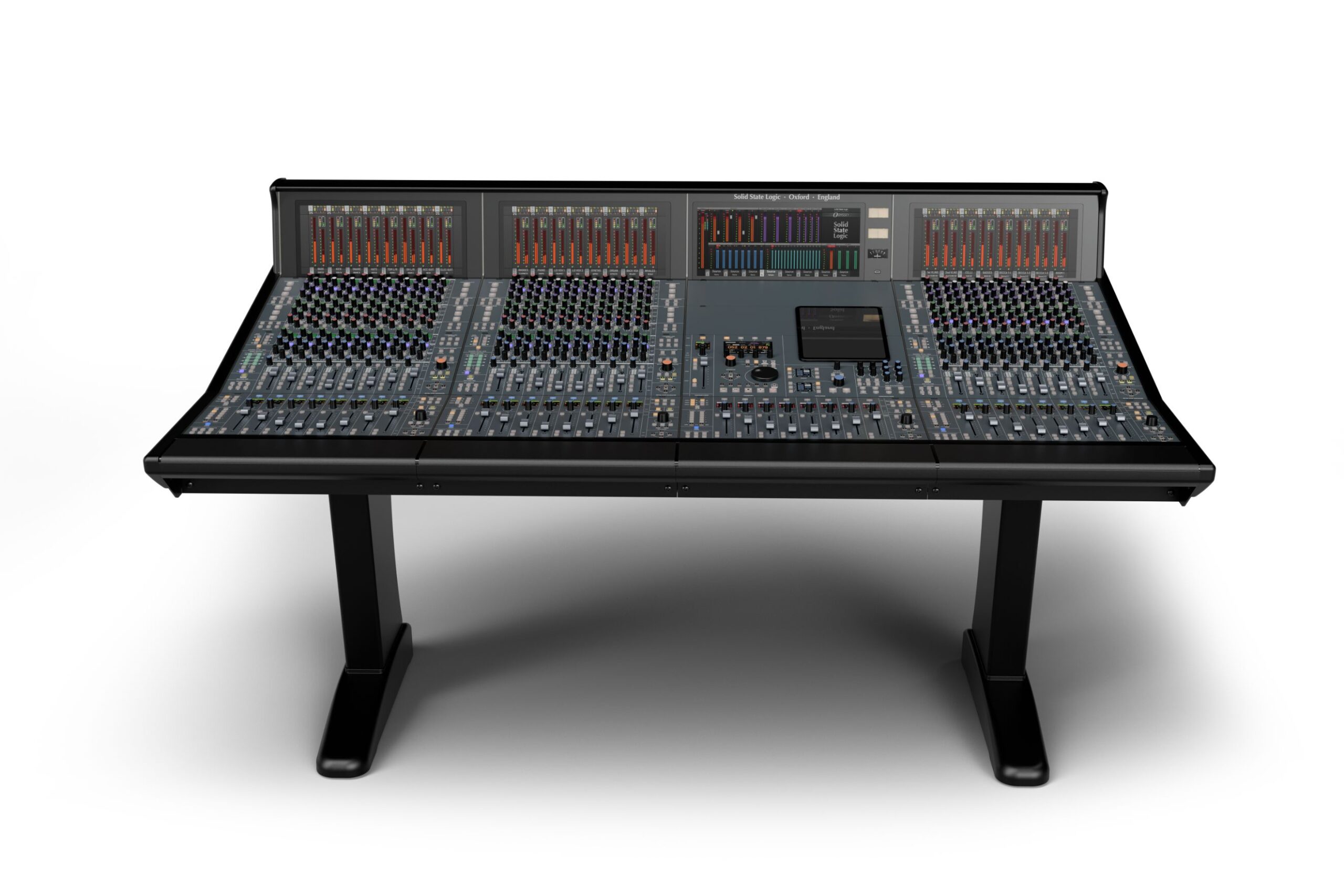
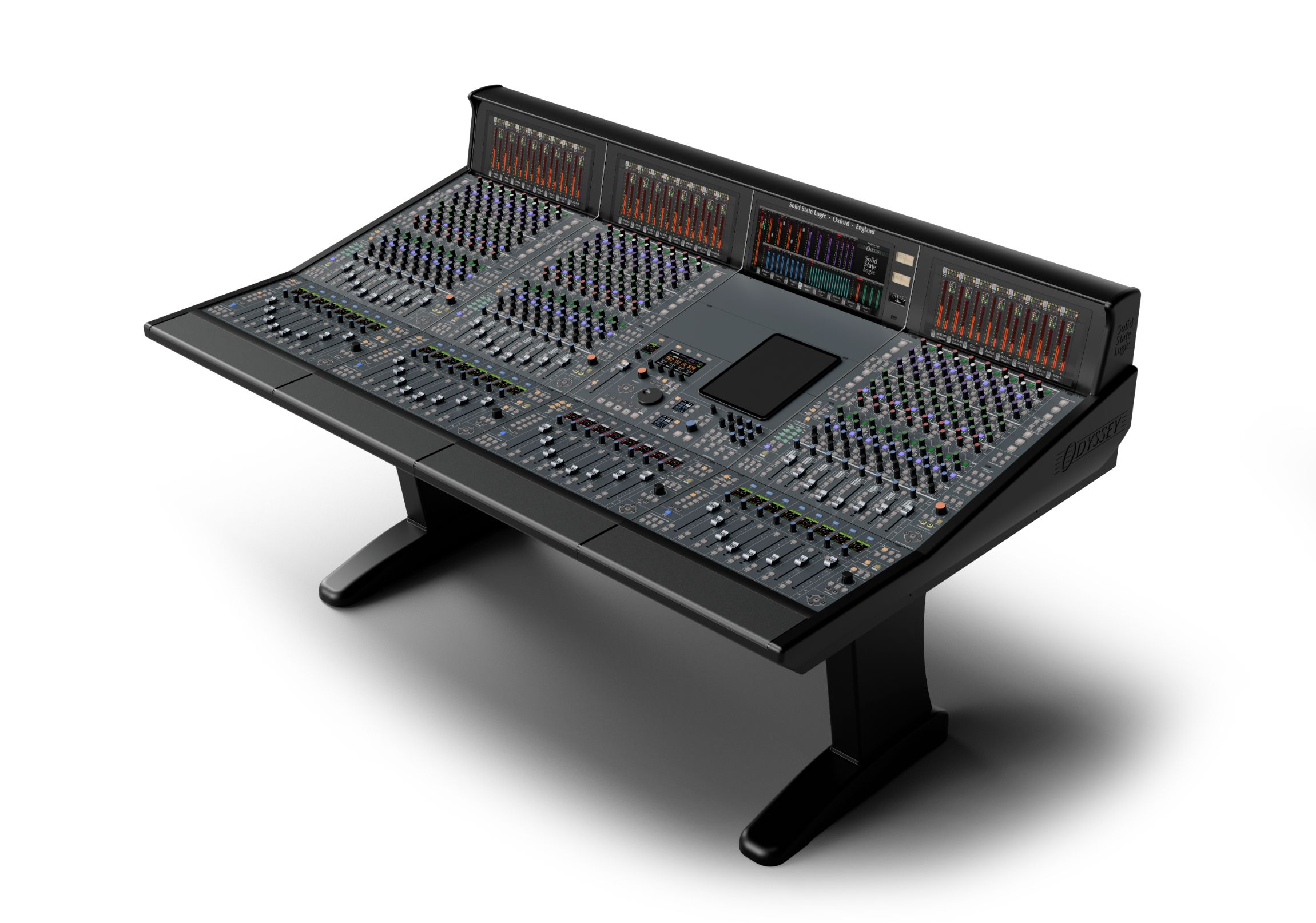
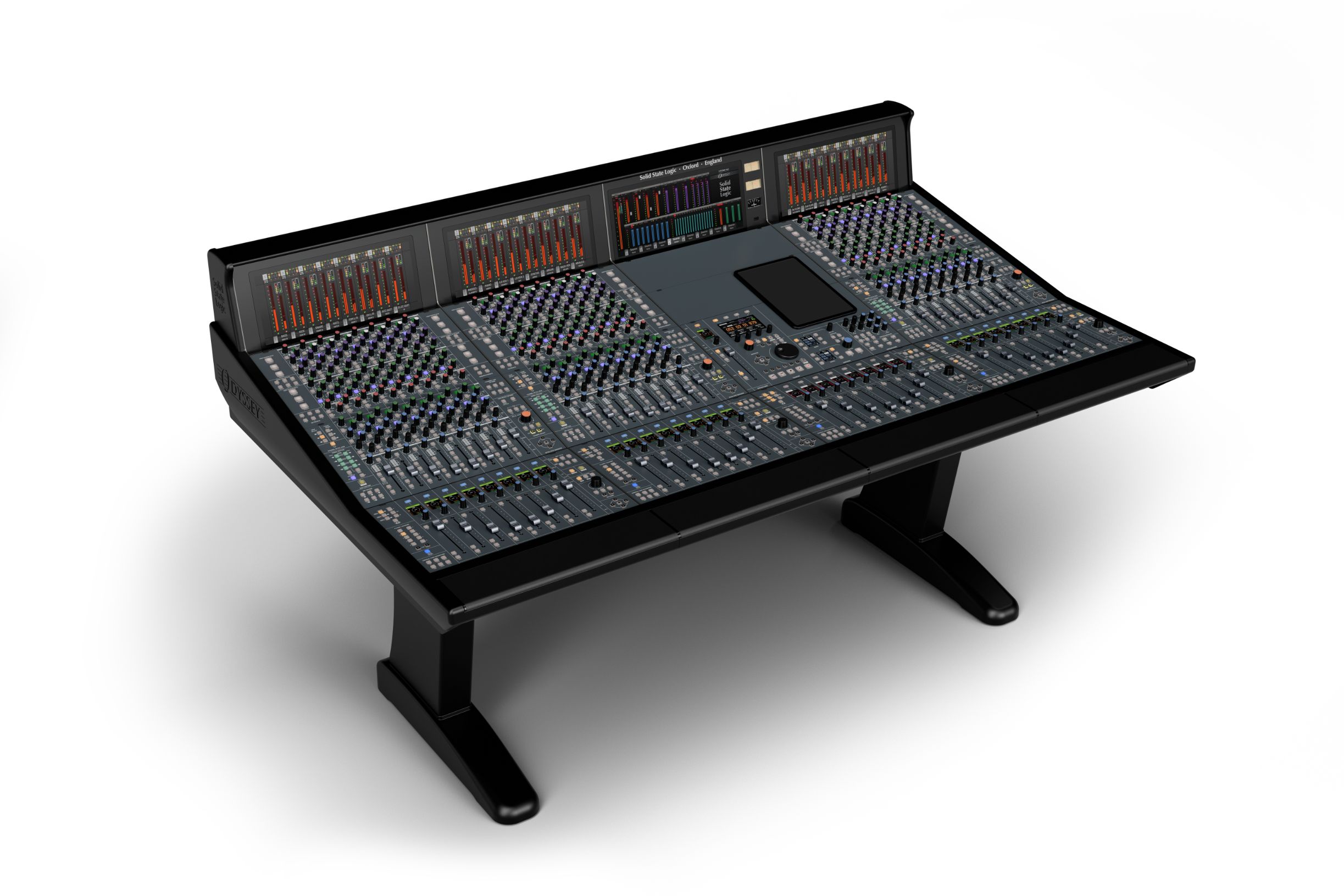
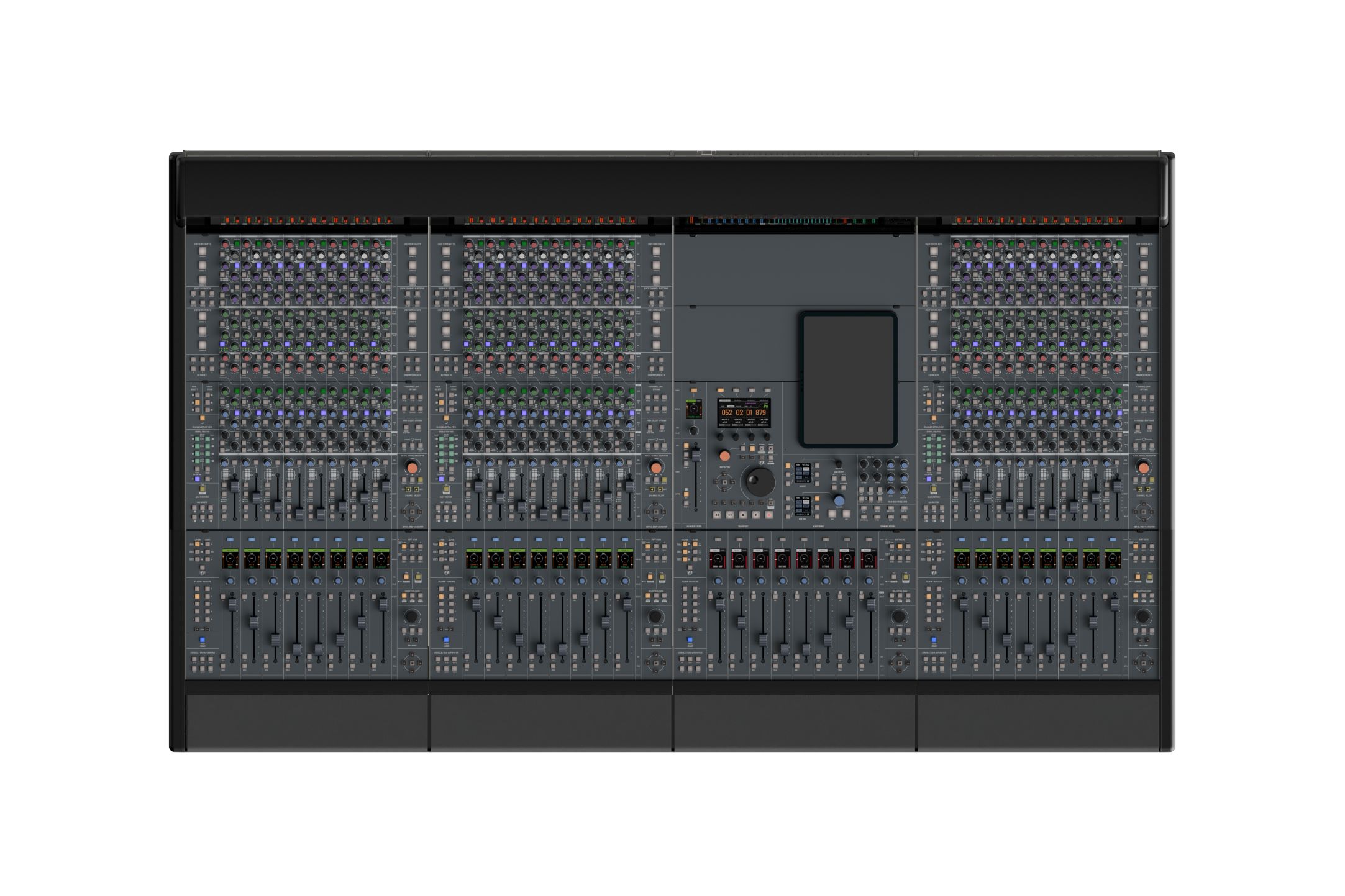
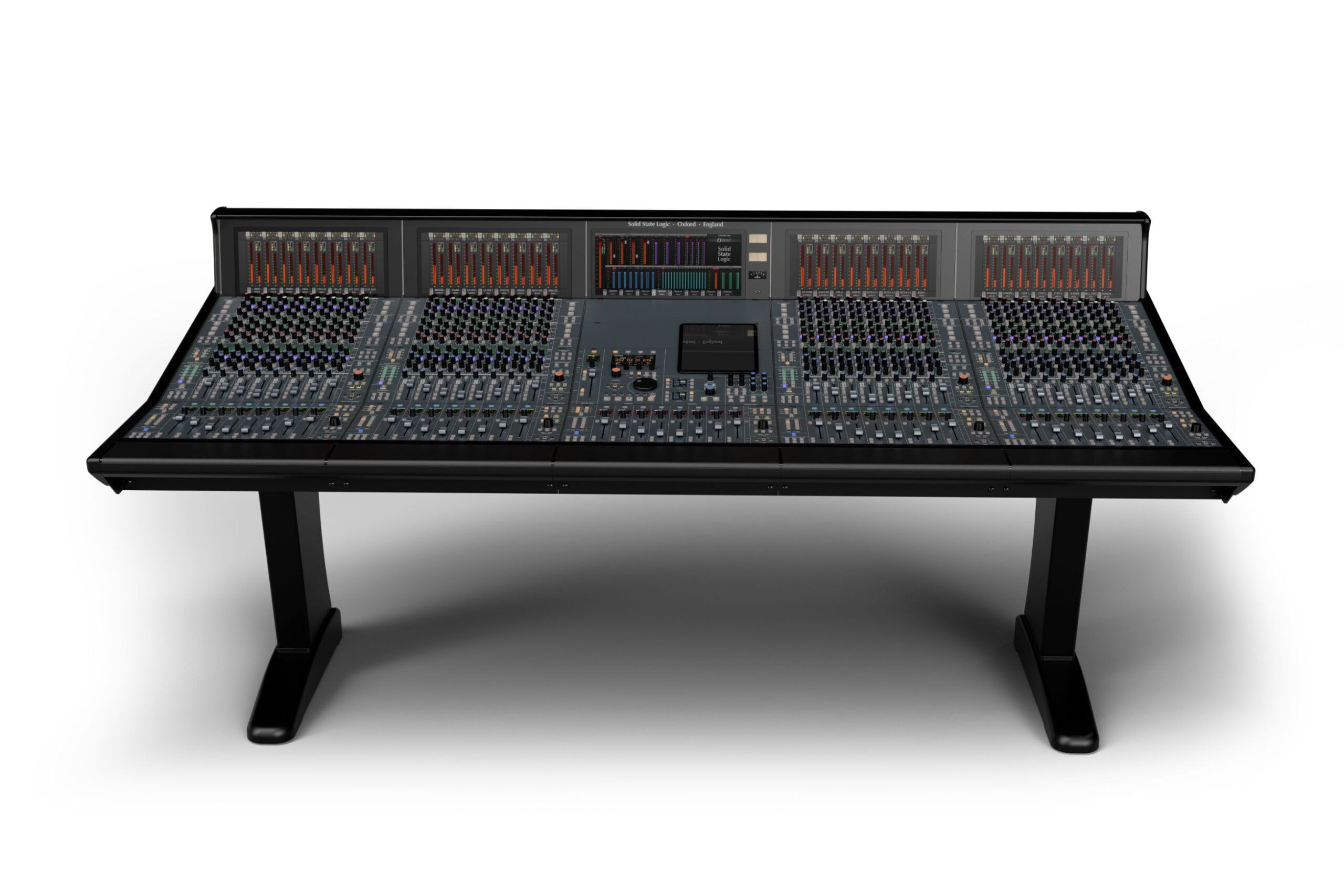
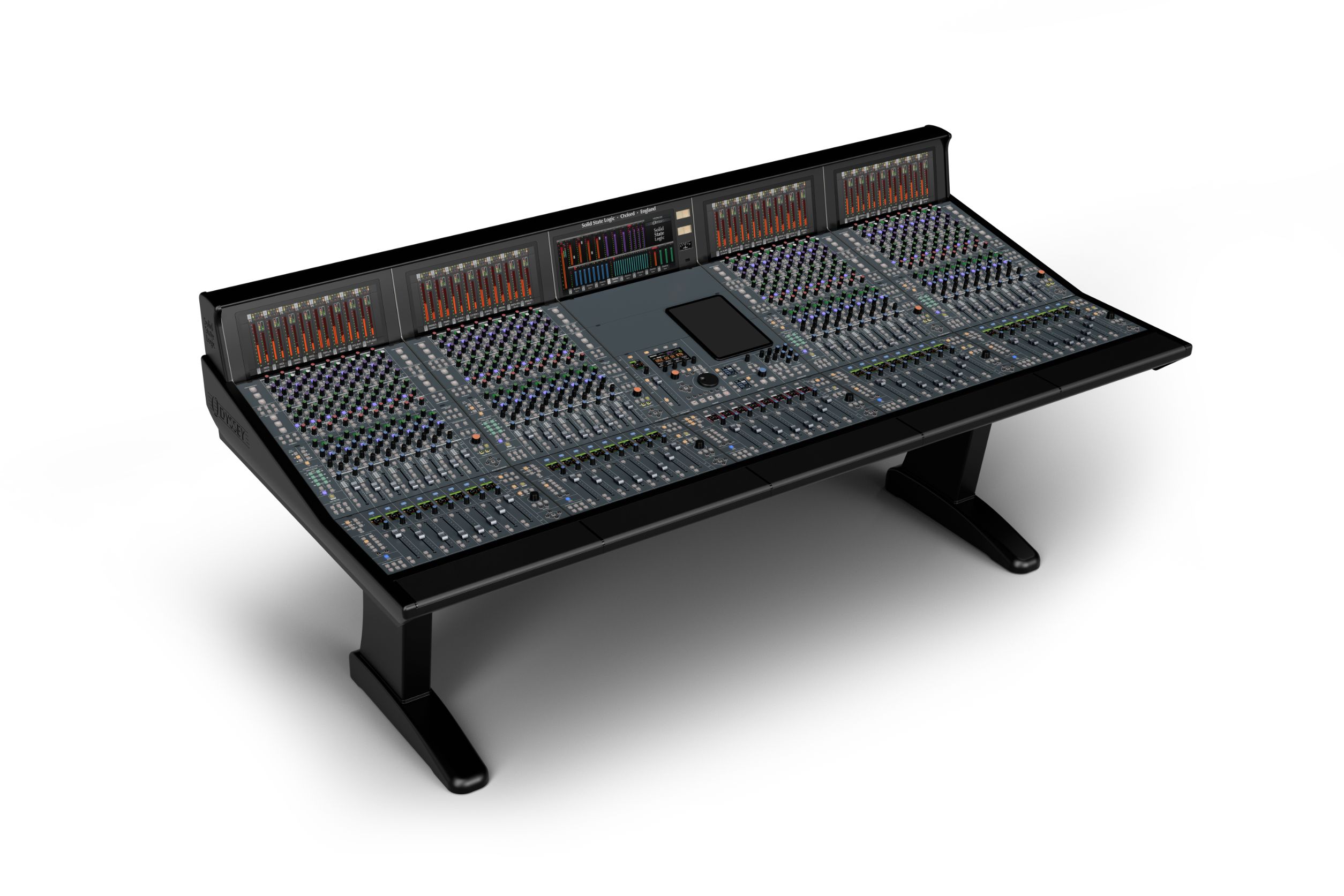
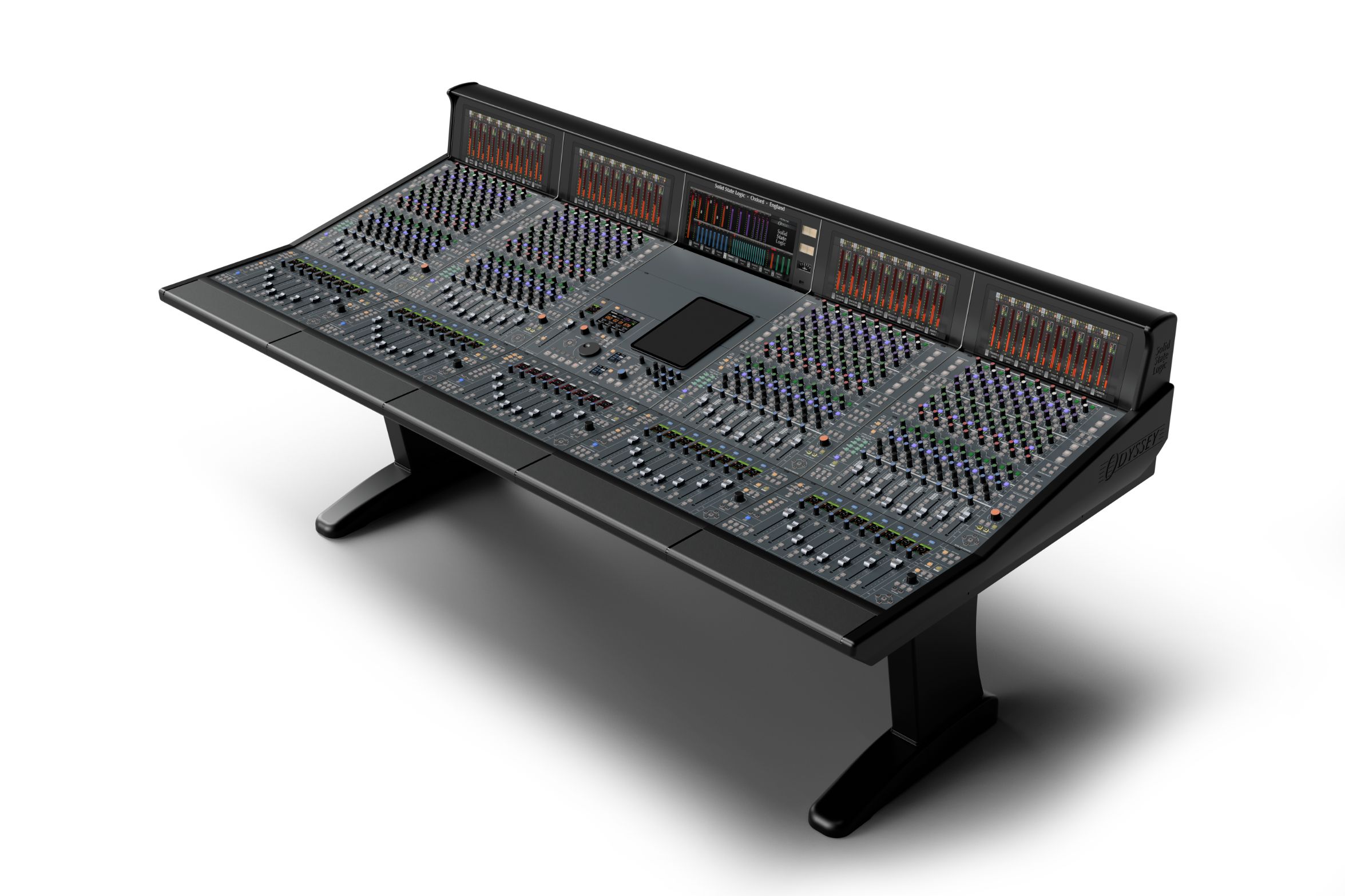
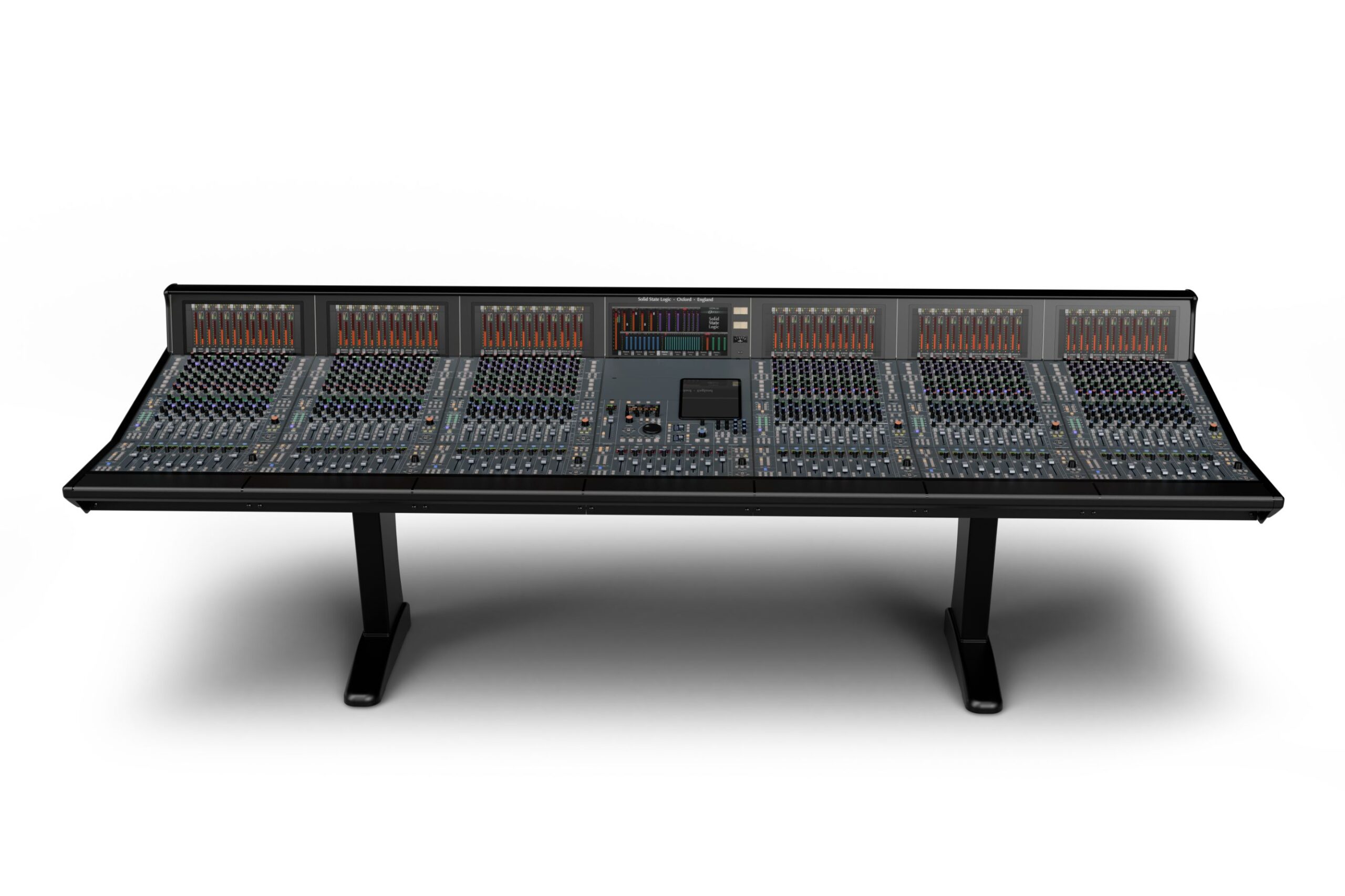
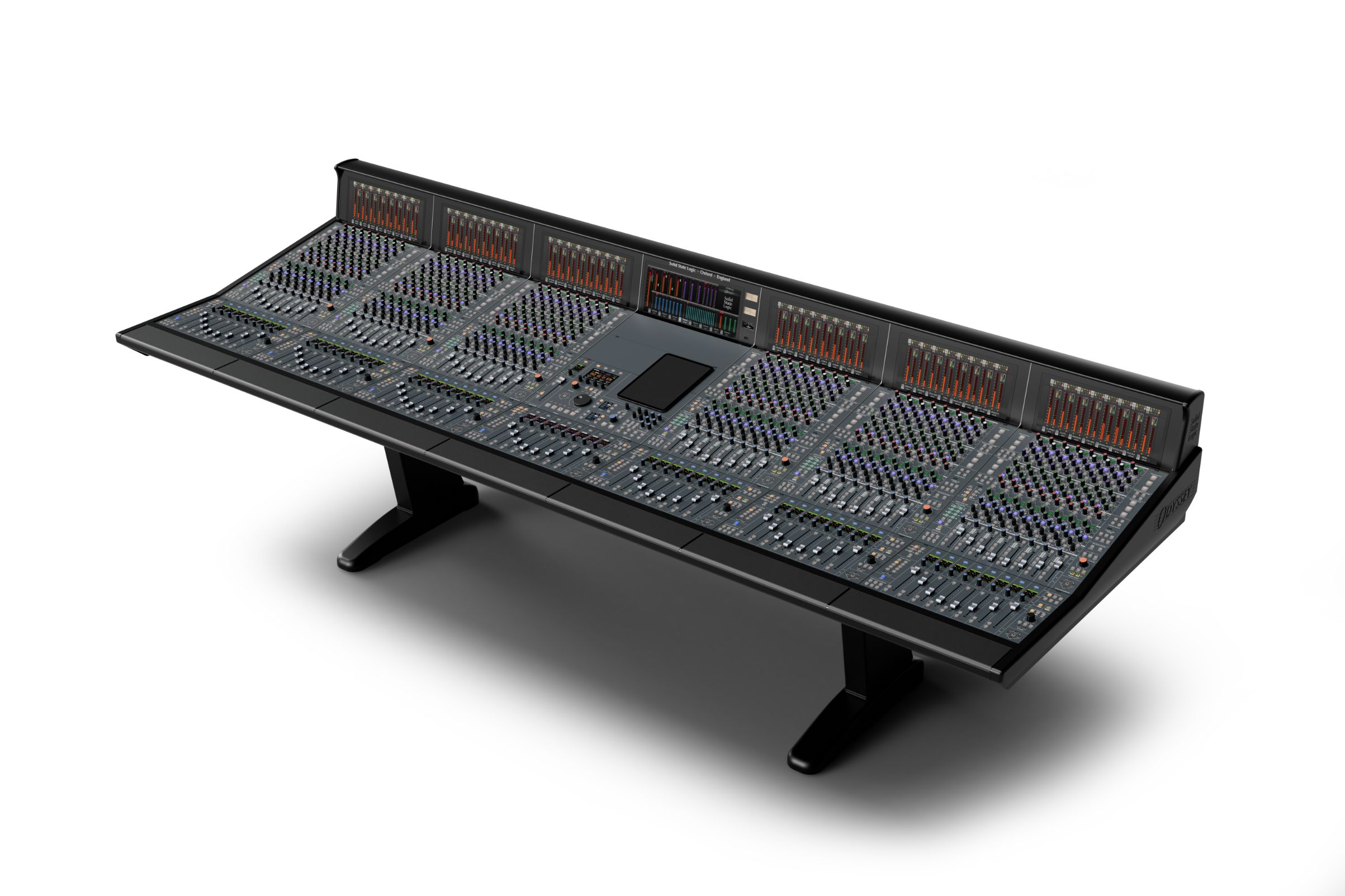
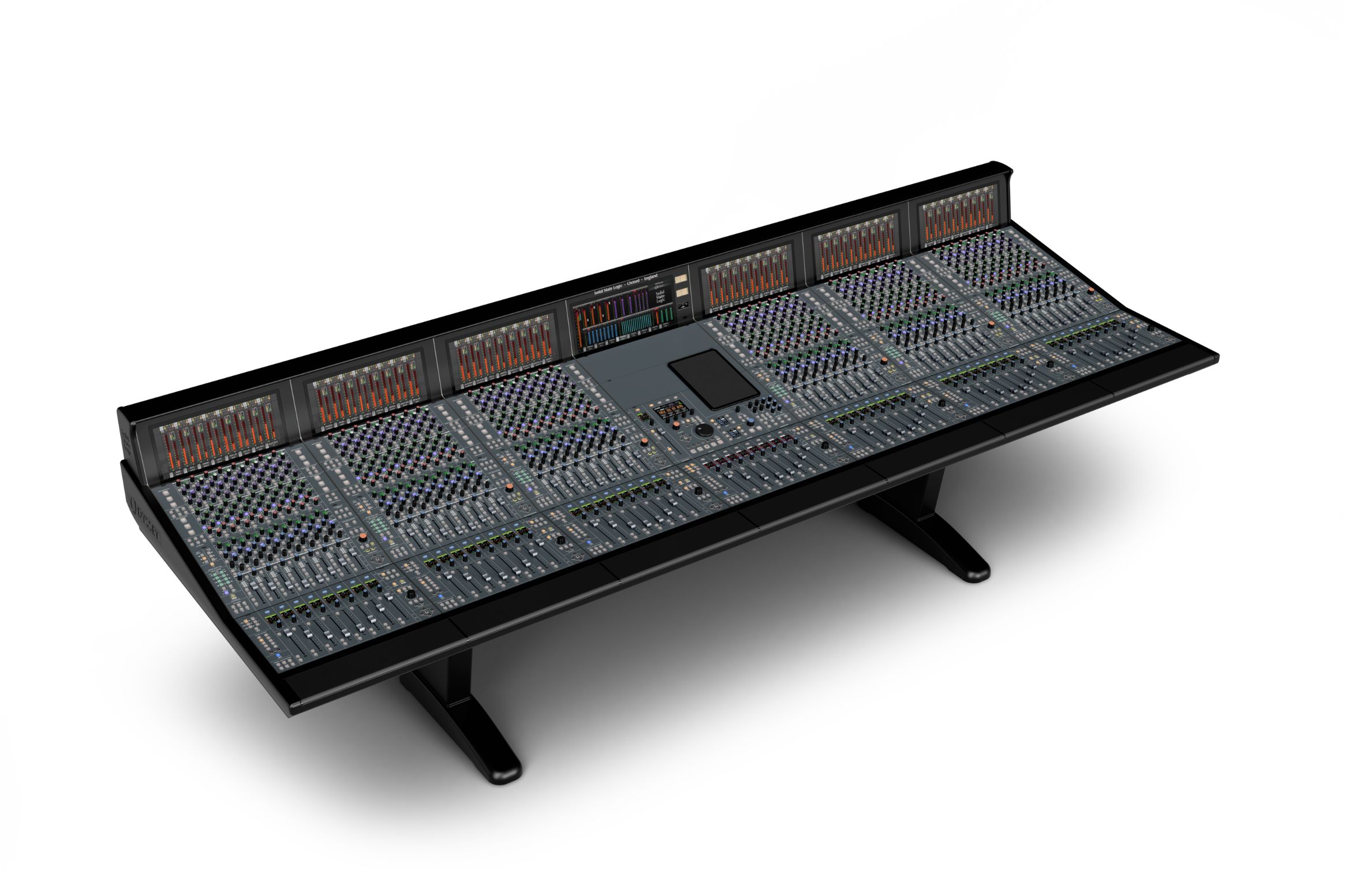
SSL Odyssey – an analog mixing console with Instant Recall
Odyssey represents the culmination of the company's entire body of knowledge SSL on analog technology, studio workflow, and, of course, exceptional sound—all condensed into a single, uncompromising vision. Thanks to SSL’s ActiveAnalogue™ technology, this console employs the revolutionary Instant Recall philosophy, first implemented in the Oracle, and extends it into an unlimited modular console.
For decades, the capabilities of traditional analog consoles have been limited by a fundamental obstacle: complex sessions require time to reset, review, compare, and correct. With Odyssey, these problems don’t exist. Entire analog console states can be restored, compared, corrected, and switched in the blink of an eye, allowing for full A/B comparisons of mixes, alternative balances, artist-driven changes, and corrections are immediate and do not disrupt workflow.
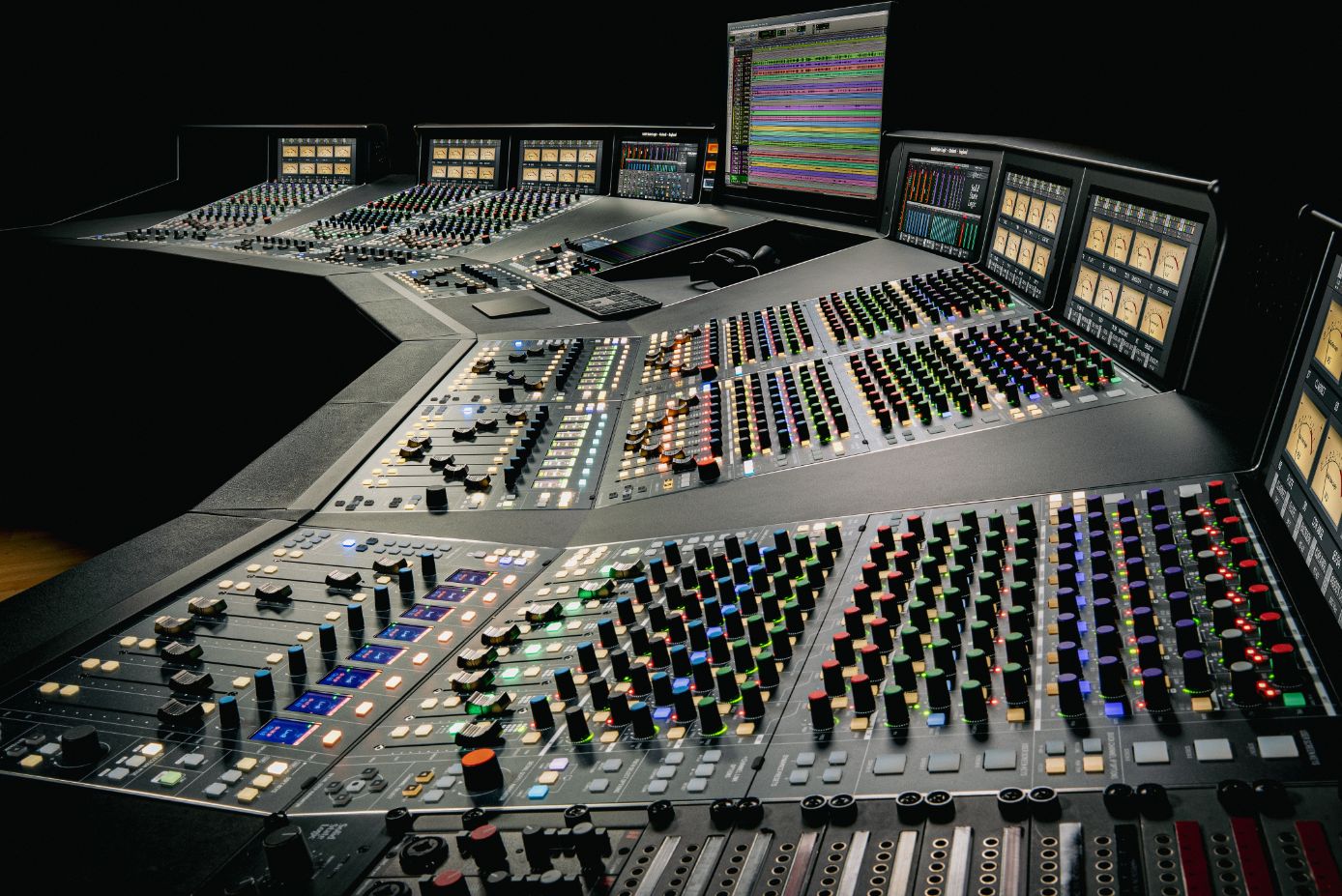
From medium-sized 24+8-channel configurations to massive 96+8-channel systems, featuring straight and curved ProStation modules and fully customizable rack options. Completely analog in sound, it allows engineers to work faster and better.
Each channel is equipped with a complete set of fully analog, recallable tools — PureDrive™ microphone preamps, dynamics processors, a switchable E/G series equalizer, and assignable filters — putting the full power of SSL sound-shaping right at the engineer’s fingertips. True linear architecture with motorized large and small faders provides instant control over multiple signal paths, enabling fast and seamless operations throughout the production process.
Thanks to SSL’s ultra-high-performance ActiveAnalogue™ circuits, housed in dedicated processing racks, the Odyssey delivers the sound quality expected from an SSL flagship analog console. From crystal-clear, reference-grade precision to warm, dynamic sounds — Odyssey offers engineers a wide palette of analog sounds, enabling both precise and transparent production as well as adding color and character to the music when needed.
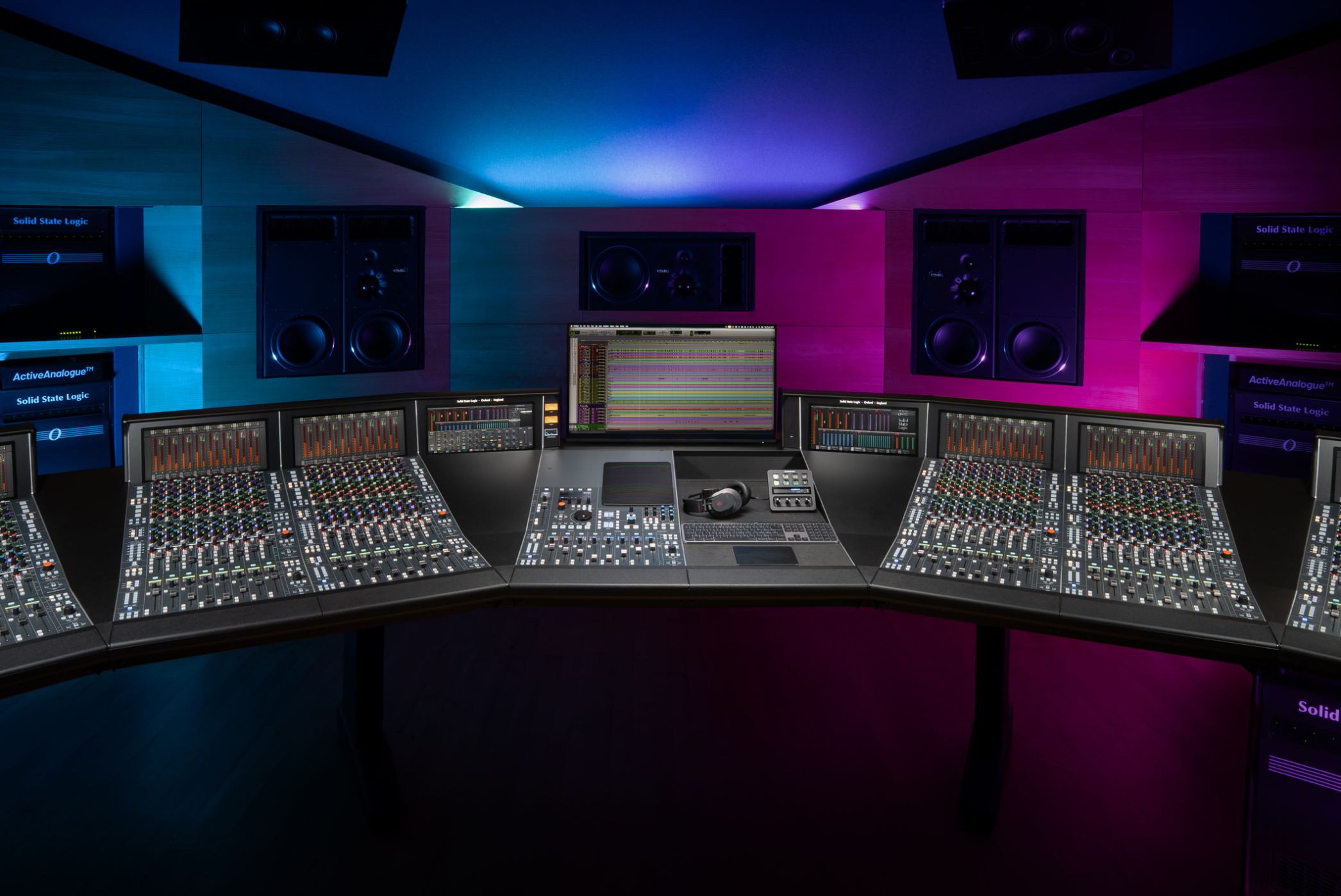
The Odyssey Central Section serves as the command center for the entire production environment, combining mix control, stereo groups, VCAs, bus processing, monitoring, feedback, communication, and DAW transport into a single powerful workspace. From managing multiple main mix buses and stereo groups to shaping the final mix, creating artist signals, checking sources, controlling talkback, and switching monitor systems—this ensures that key session decisions are always at your fingertips. The flexible monitoring system supports multiple speaker sets, external sources, foldback signals, solo/listen modes, and third-party immersive systems, such as the Dolby Atmos renderer, enabling work on both stereo and spatial productions from the main listening position.
The O-Control application suite provides tools that work in both online and offline modes for configuring the Odyssey (and Oracle) consoles, preparing sessions, and managing projects on Windows and macOS. With this software, you can prepare, view, and manage projects, presets, snapshots, processing sections, meters, fader positions, and mute/solo status—allowing you to start complex sessions faster and keep them organized.
Thanks to advanced DAW control with the ability to assign functions „by section” and O-Motion automation, Odyssey combines the feel of an analog console with familiar DAW workflows, allowing you to record, edit, and play back console movements with the precision required in modern production.
Key features:
- The Future Analogue console is designed for recording sessions, overdubs, and large-scale mixing
- ActiveAnalogue™ Instant Recall technology, delivering unmatched performance
- 4 Stereo Mix buses, 16 Track buses, 10 AUX buses, 8 „Flex” stereo groups, 3 stereo foldback buses
- Modular design, available in configurations ranging from 24+8 to 96+8 channels, in straight, curved „Pro Station,” and custom-framed versions
- High-performance PureDrive™ microphone preamps with a „Drive” control”
- SSL channel dynamics: compressor/limiter, gate/expander
- 4-band SSL parametric equalizer with switchable E/G series curves and Q characteristics
- Assigned high-pass and low-pass filters and insertion points
- High-quality motorized small 60-mm slider and large 100-mm slider
- Integrated THE BUS+ and Analogue Dynamic EQ processors
- Flexible monitoring offers a variety of stereo and immersive mixing options
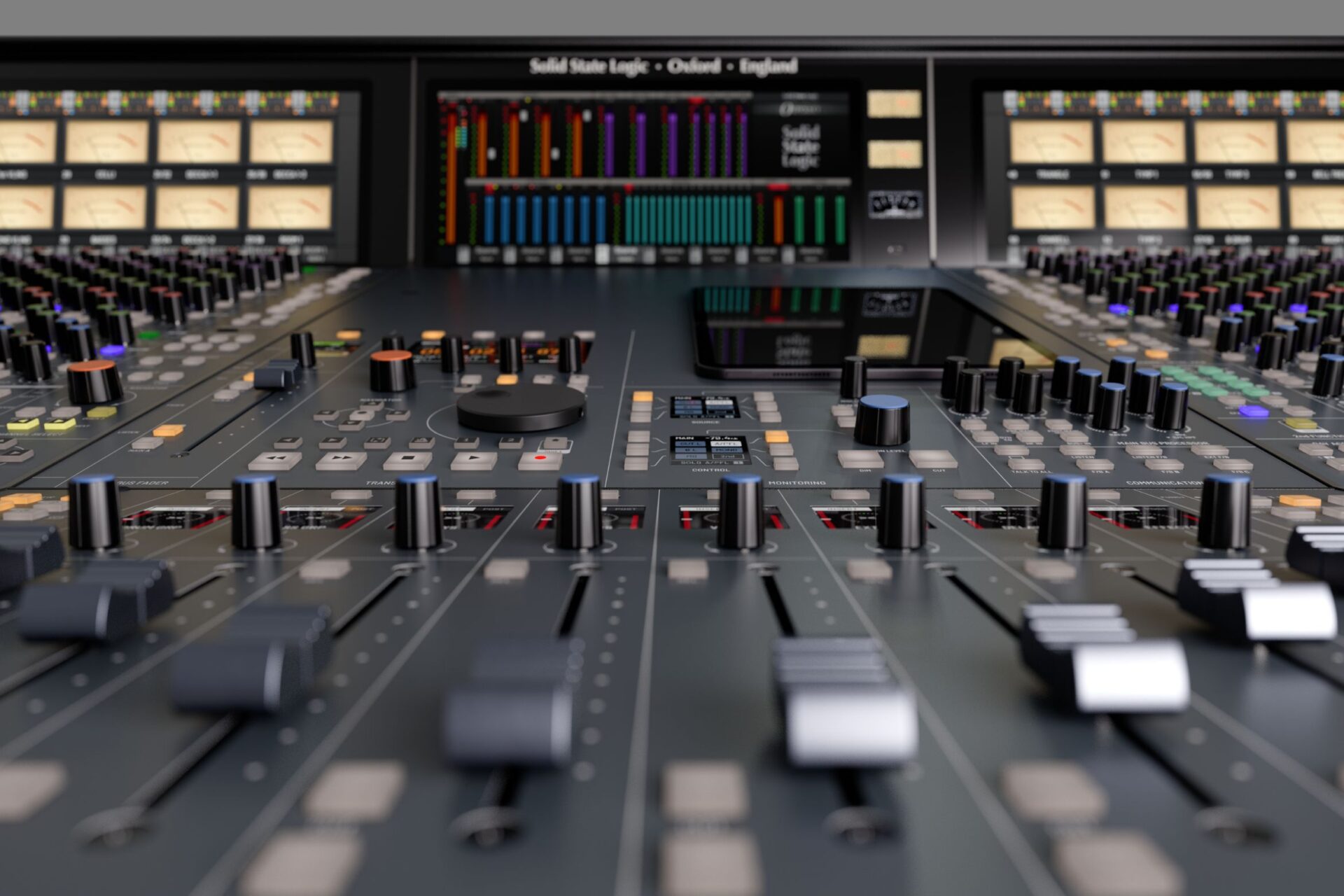
- Transparent VU-style or plasma-style meters with a dynamic „Detail View”
- Advanced DAW control, configurable „per-fader-bay"
- O-Motion Plug-in Dynamic Automation System
- O-Control Application Suite: online and offline tools for preparing sessions and configuring the console
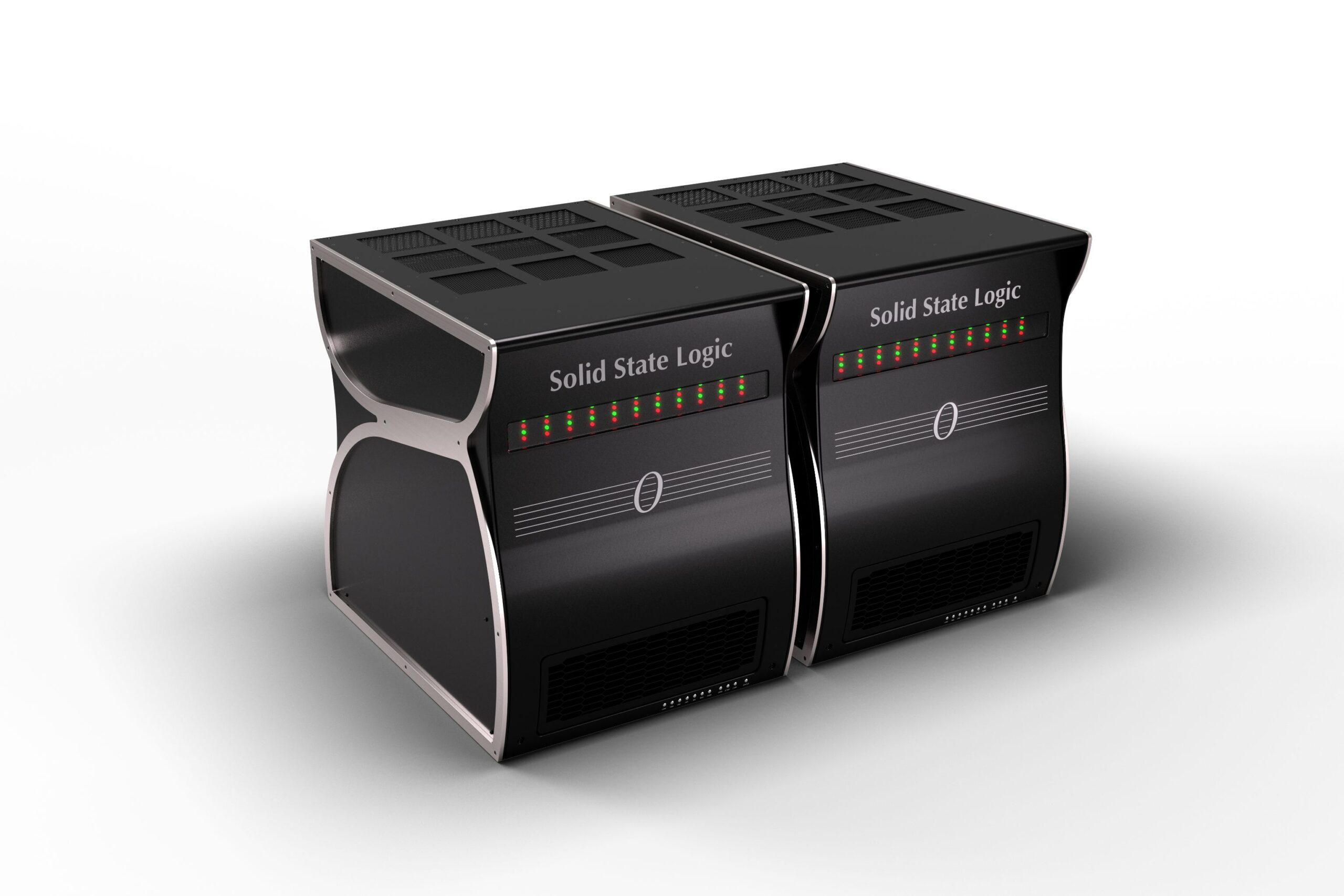
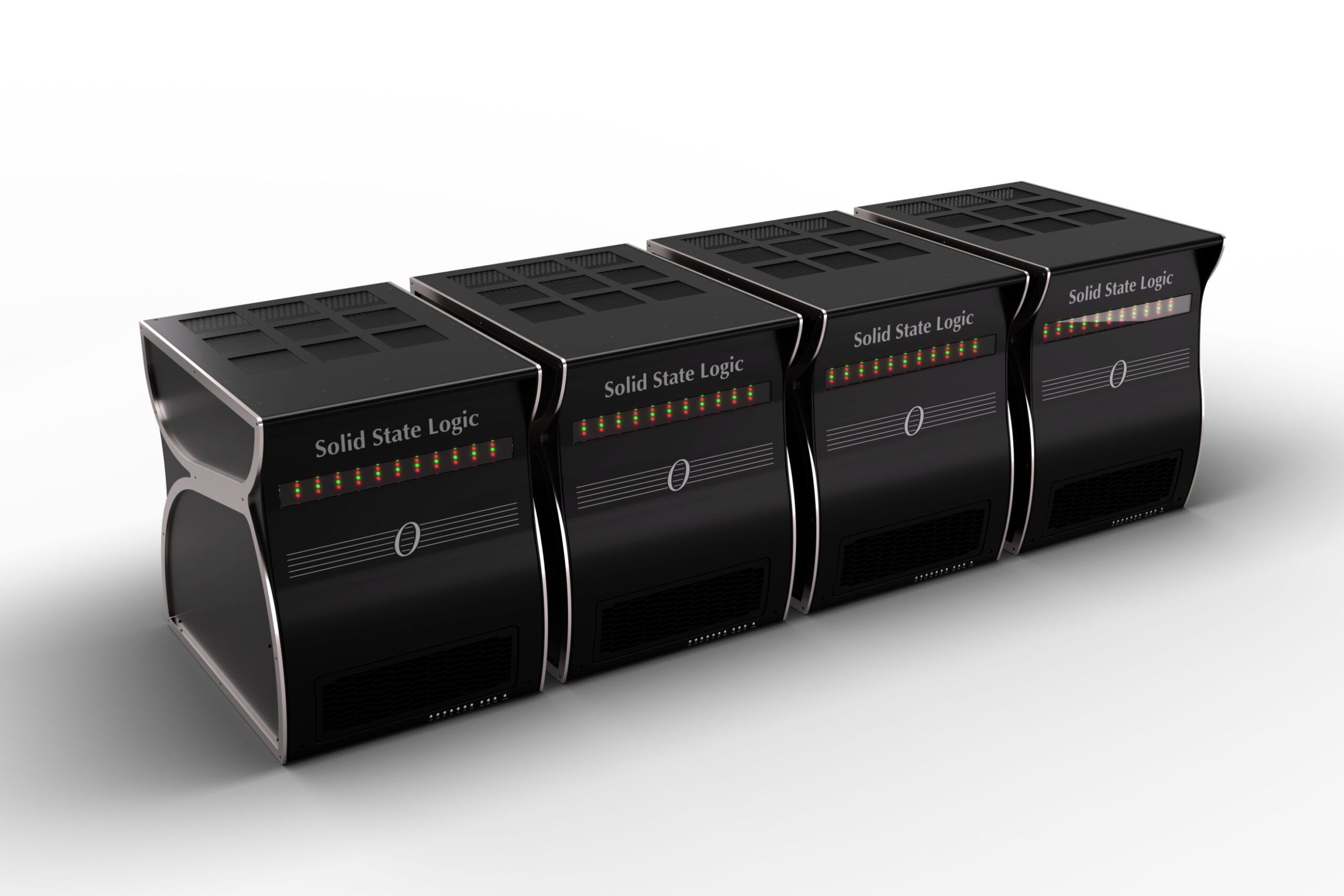
- The 13U 19” rack cabinet (or cabinets) houses all analog circuits and can be located remotely, in the control room, or under the console
Control panel
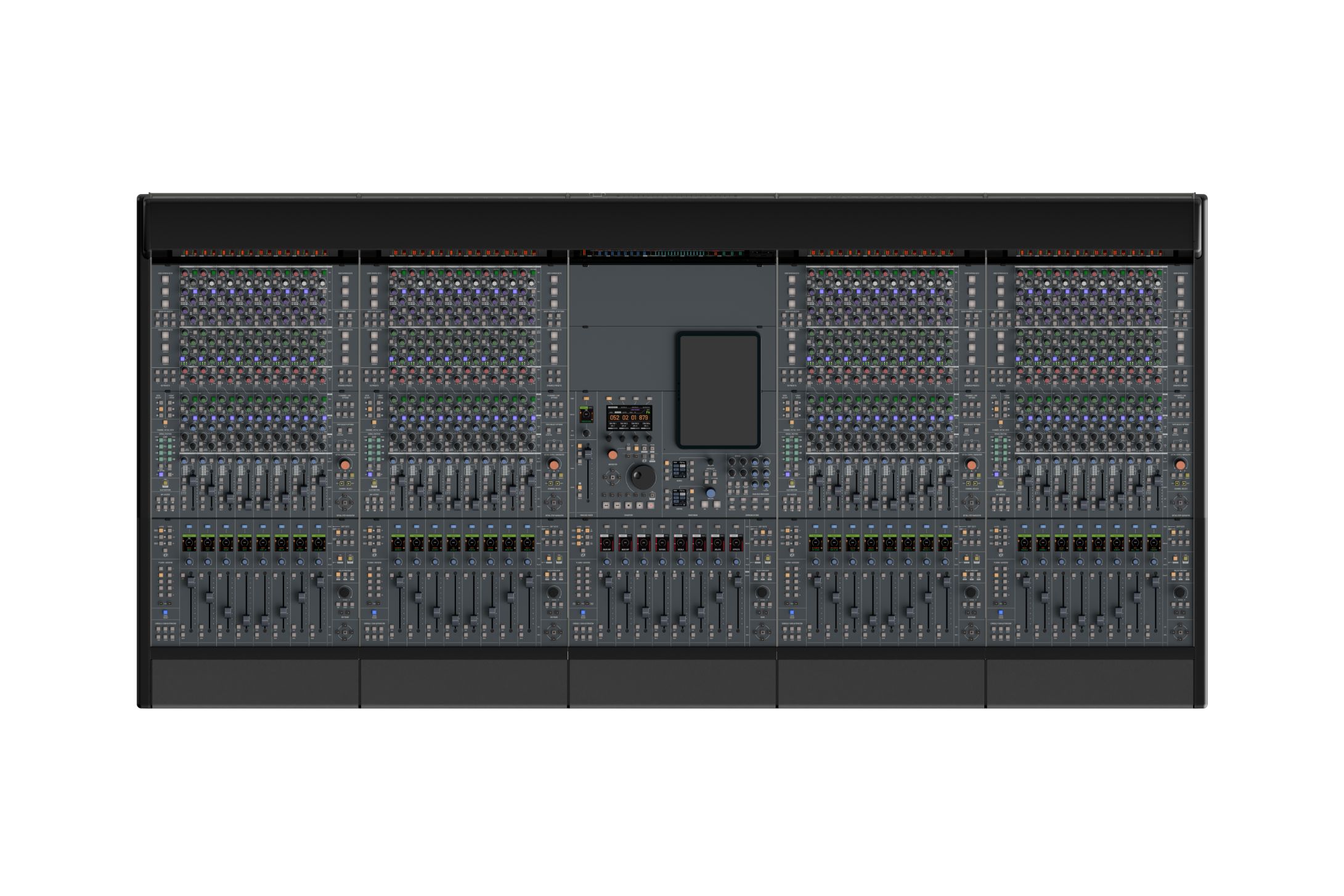
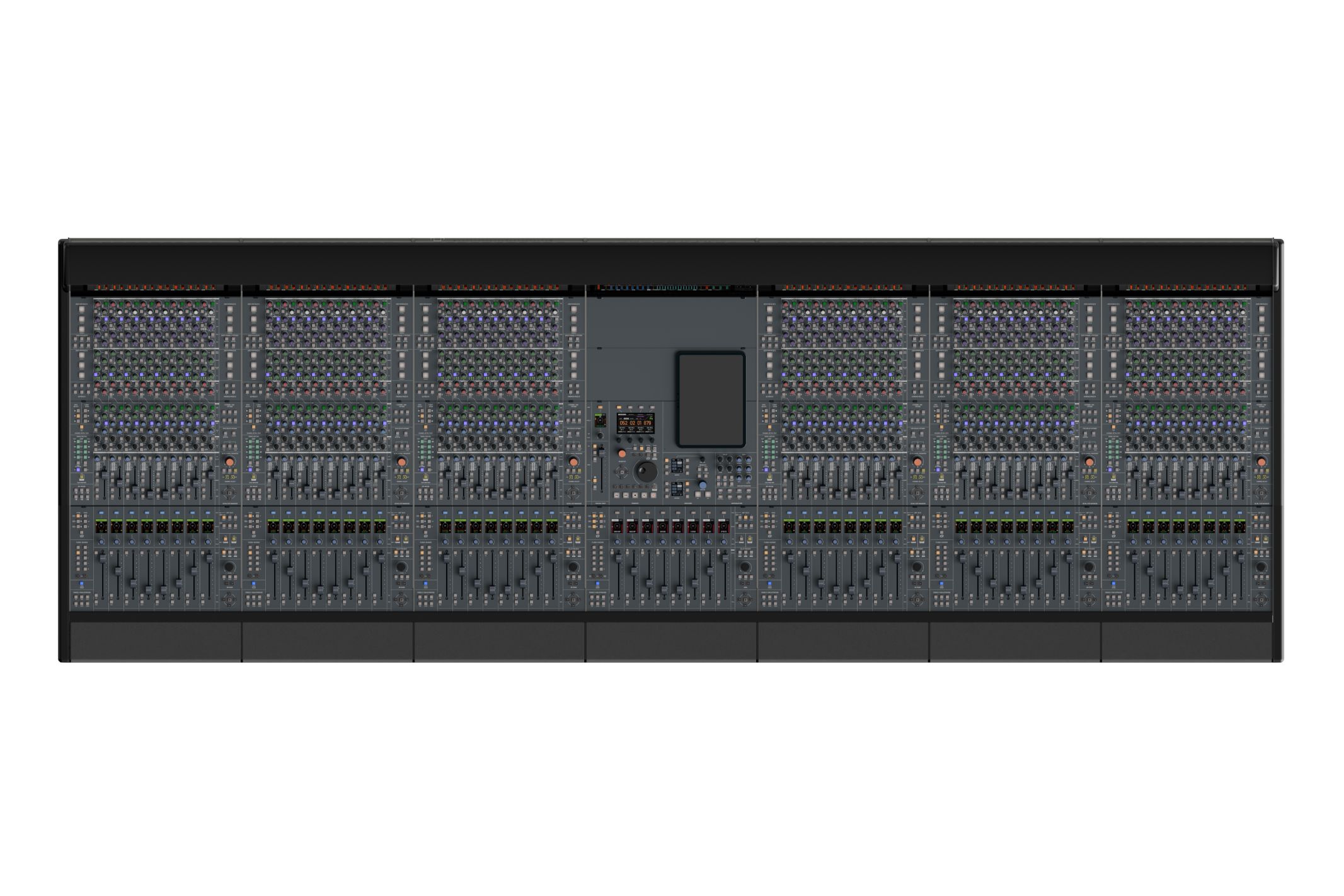
The layout of the 8-channel modules in the Odyssey is designed to give operators full control at every stage of the production process. Each channel provides dedicated, direct control over a set of analog tools—microphone/input gain, AUX sends, dynamics, a four-band parametric equalizer, high-pass and low-pass filters, a motorized 60-mm small fader, and a 100-mm large fader—ensuring that key functions are always at your fingertips rather than hidden in menus.
Flexible control via the panel allows you to access the settings for any channel from a central listening position. Related switches are located between the knobs, providing intuitive access to equalizer band selection, AUX send on/off, and other key functions, while additional controls for routing and auxiliary functions are located to the left and right of each module.
The result is an extremely user-friendly control panel that provides instant access to the necessary controls, and its shallow depth from front to back reduces the distance you have to reach and ensures comfort during long sessions.
ActiveAnalogue™
ActiveAnalogue™ technology gives the Odyssey console the tactile feel and response characteristic of a traditional SSL analog console, while the operator remains unaware that ultra-precise digital control is behind every movement. With a resolution of 16,000 steps for all adjustable parameters, engineers gain the immediacy of analog operation combined with the accuracy necessary for precise recall and perfectly repeatable settings.
Channel strip
The Odyssey channel strip is based on SSL's classic linear architecture but has been adapted to modern workflows. Each channel offers separate recording and monitoring paths, with independent control over input gain, output level, and processing routing.
Both tracks are equipped with independent, switchable, and portable insert points. Independent direct outputs on each track allow for the direct capture of analog sources, processed signals, mixes, or individual tracks into a DAW, preserving the full character of the signal chain while supporting lightning-fast hybrid workflows.
Dynamics section
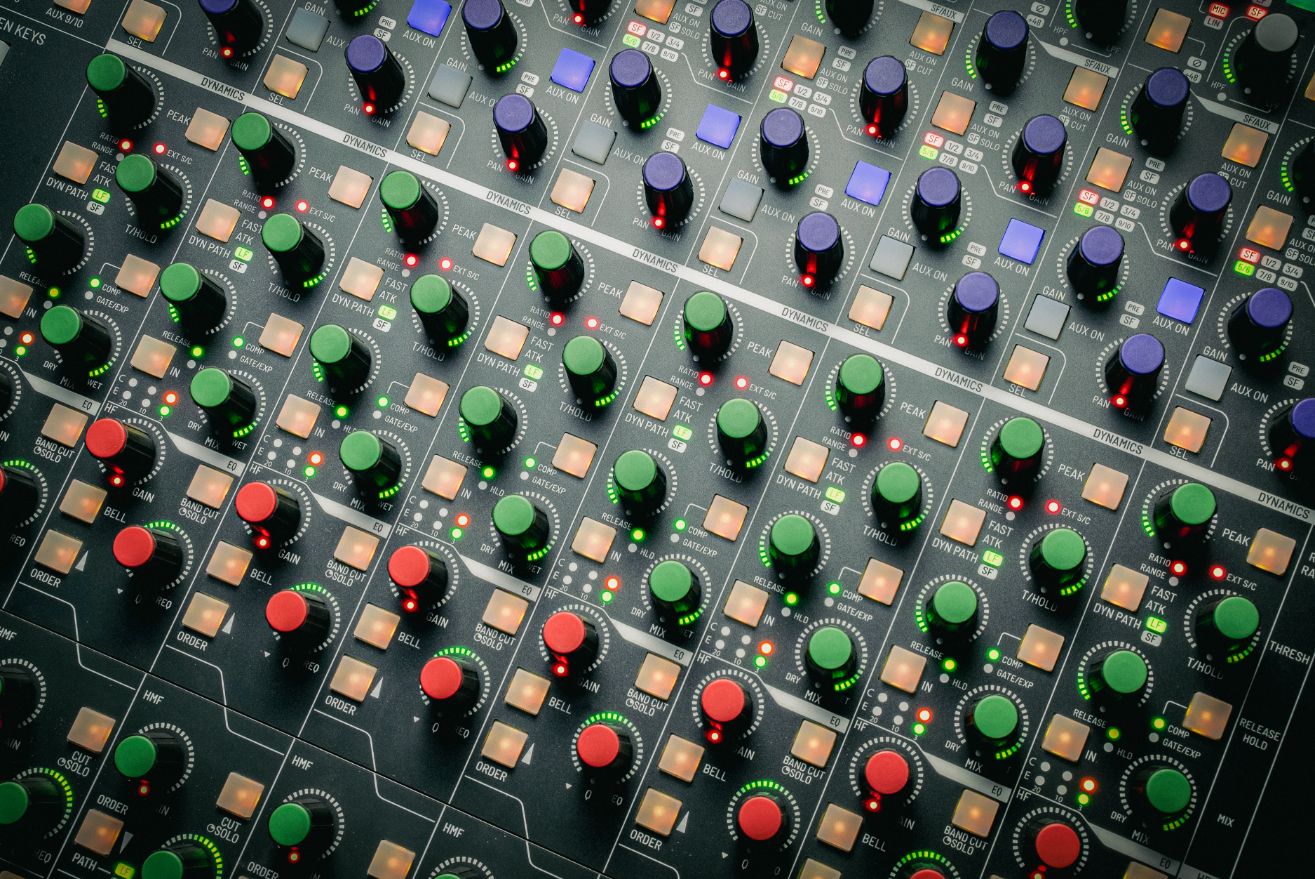
The Odyssey’s fully analog, instantly recallable channel dynamics settings continue SSL’s tradition of compression, limiting, gating, and expansion — bringing tools to the Future Analogue workflow that have helped shape the sound of countless recordings.
The compressor/limiter offers signal-dependent attack time with a Fast Attack switch, as well as RMS or peak detection (Peak) for seamless control of gain, punch, or more character-driven compression and limiting, along with a dedicated Wet/Dry mix for parallel compression directly in the channel. Next to it, the expander/gate offers Inf:1 gate mode and 2:1 expander mode with signal-dependent attack time, a Fast Attack option, and adjustable parameters for Range, Threshold, release, and hold
Odyssey’s sidechain can be routed as an independent processing resource, connected from the same or an alternative channel track, triggered from the insert return, or shaped using filters and/or the channel equalizer. From de-essing and frequency-dependent compression to keyed gating, targeted expansion, and dynamic shaping — the Odyssey provides every channel with the precision, character, and musical response that make SSL dynamics an essential element of any studio.
E and G Series Correctors
Each channel is equipped with a fully analog four-band parametric equalizer with switchable E-series and G-series characteristics, giving engineers access to two classic SSL sounds. The E Series delivers a distinct, assertive presence and clarity, while the G Series offers broader, more refined tonal control. The ability to select shelf/bell curves for high and low frequencies, along with switchable Q behavior in the midrange, provides the precision necessary for both subtle adjustments and bold, creative sound shaping.
You can instantly assign a corrector to a small or large fader track, which allows for seamless sound shaping during recording, overdubbing, and mixing.
Mono and stereo channels
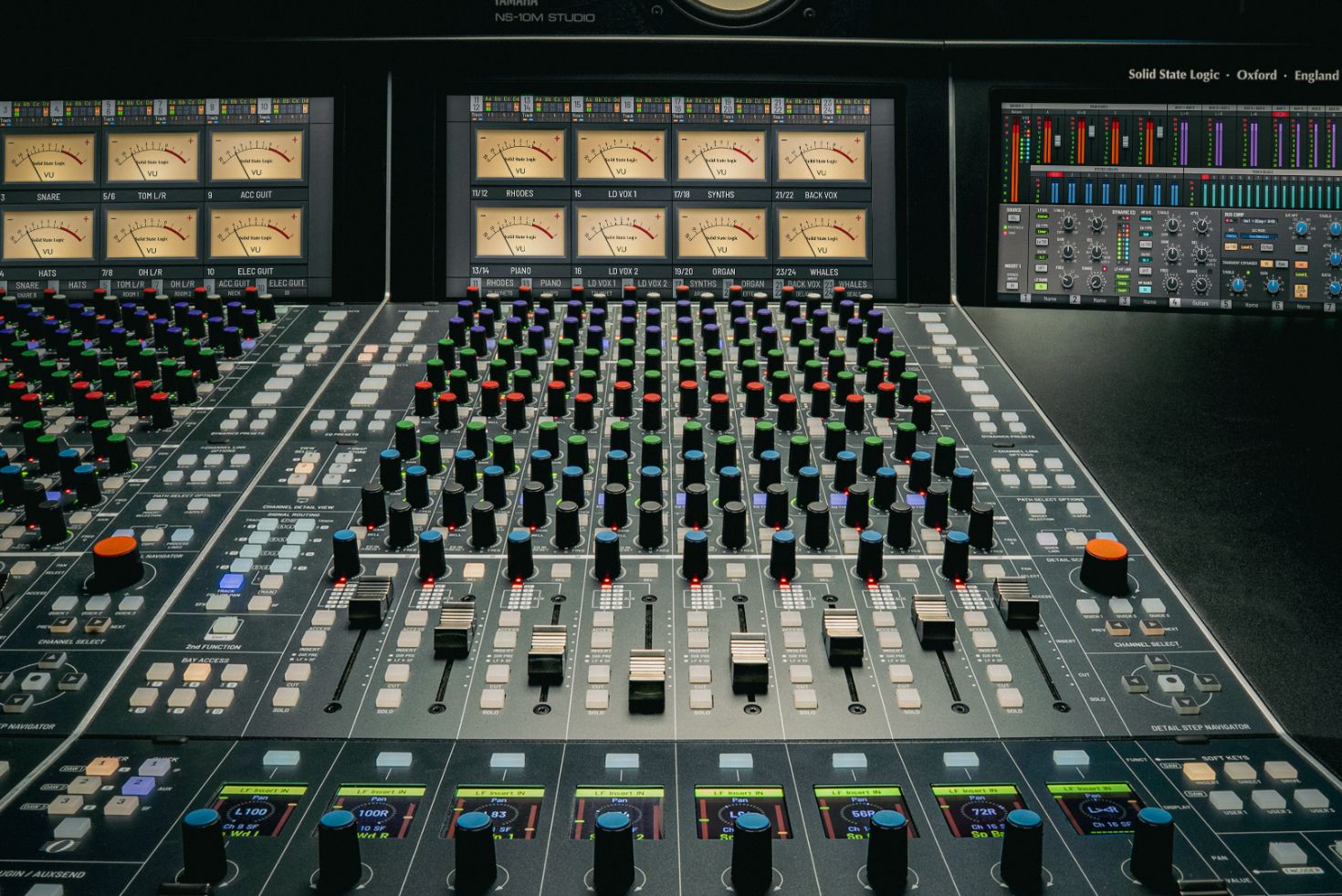
By default, channels function as high-performance mono channel strips or can be paired in odd/even pairs to operate in stereo mode, providing a single, simplified set of controls for paired sources such as keyboards, drum machines, external instruments, stereo effects returns, submixes, and stems. Paired channels are „matched” to within one-hundredth of a dB, enabling exceptionally precise, matched stereo microphone gain, equalization, and dynamics processing—while preserving the true balance, depth, and detail of the stereo image.
Channel Meters
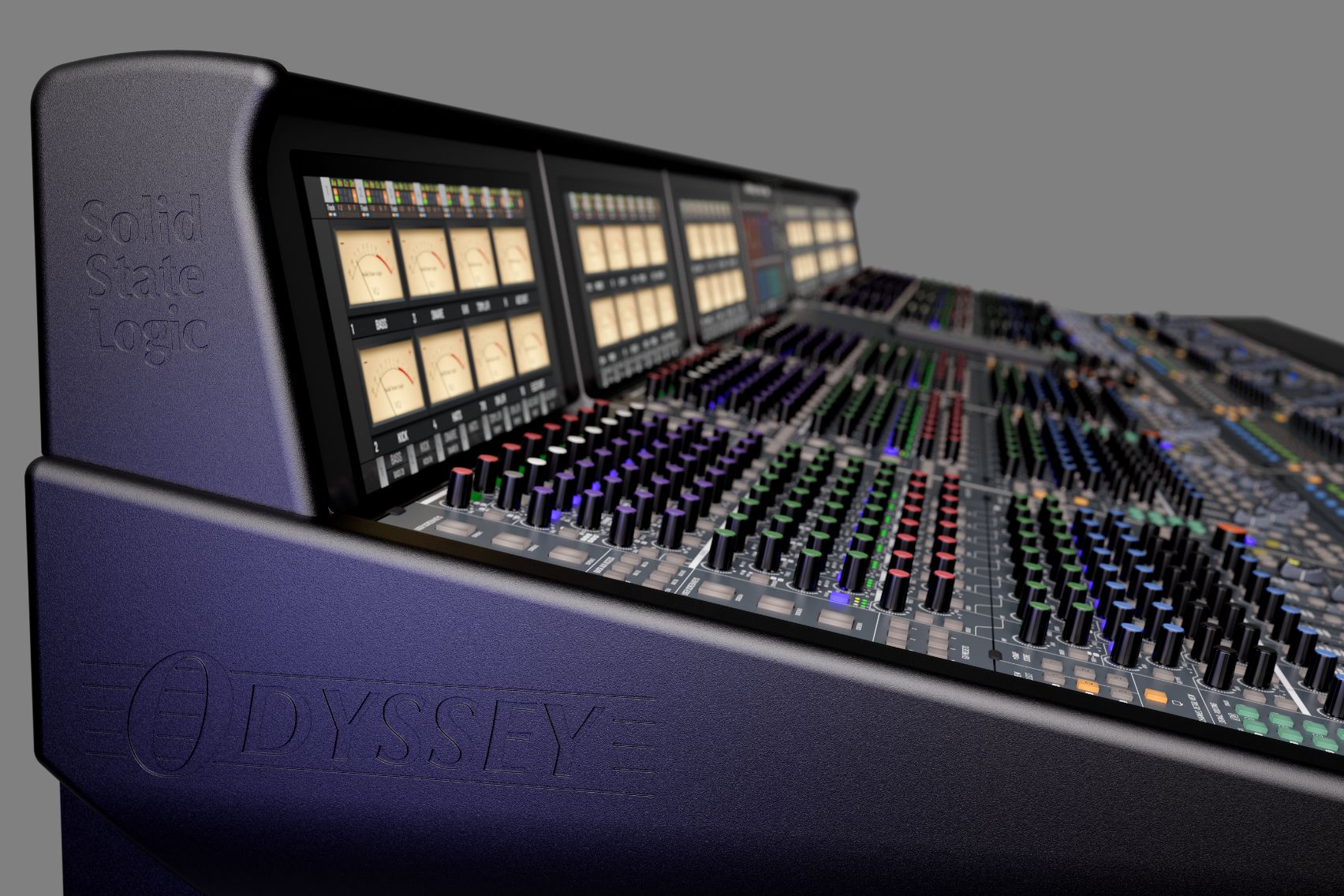
Each section of the Odyssey features panels with a dedicated display that clearly shows key channel information. Track names, bus routing, channel level meters, and track labels for both „Large Fader” and „Small Fader” tracks are located directly above the controls, providing engineers with immediate visual feedback during complex, sequential workflows.
You can switch the level meters between the VU scale. The routing displays show the assignments for the main buses A, B, C, and D, the status of the Aux buses, the stereo Aux pairs, and the routing of the 16 Track buses, with color-coded indicators for „Small Fader” and „Large Fader” tracks.
Channel Detail View
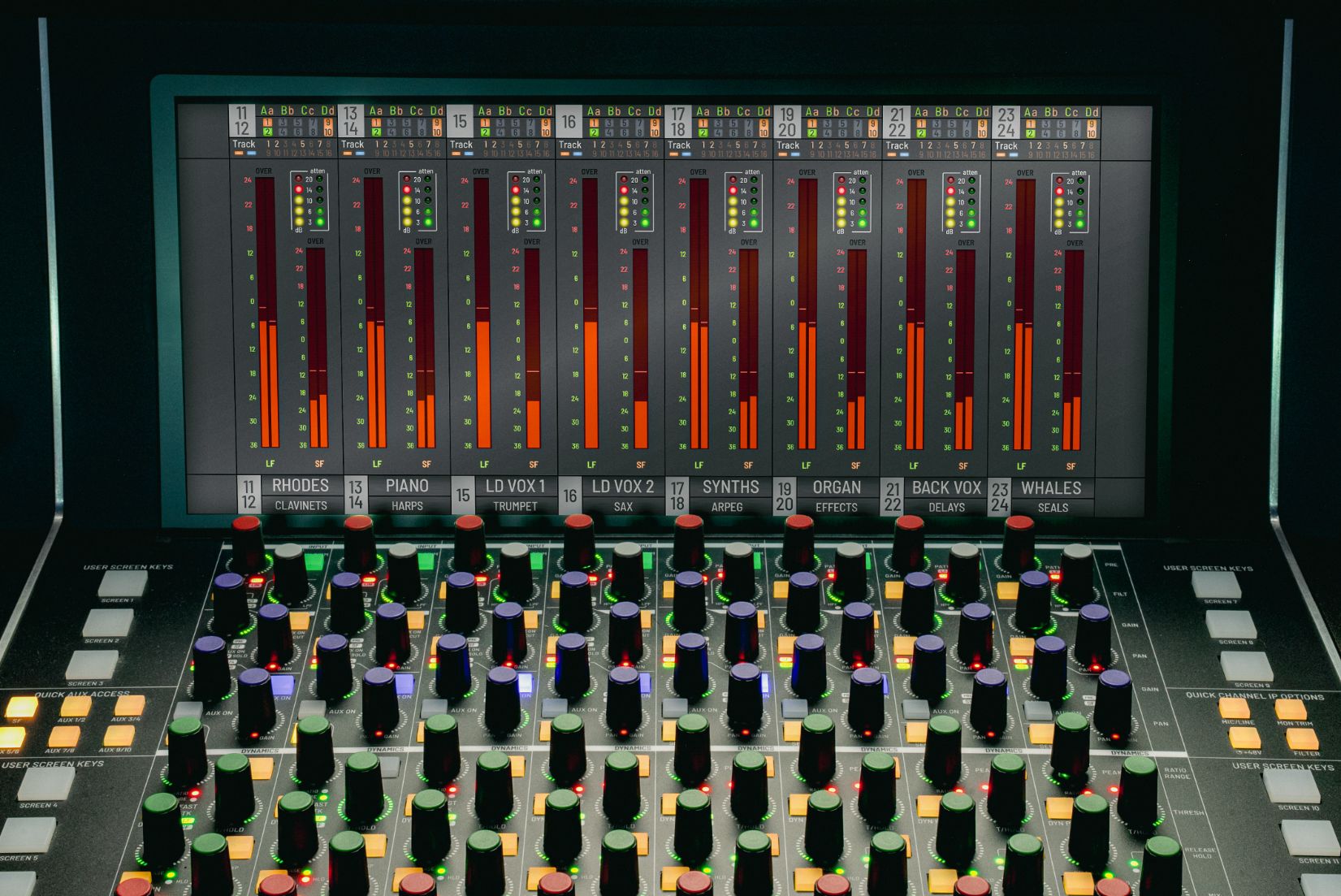
The channel details view allows engineers to quickly and clearly understand the exact configuration of each channel, including all parameters for both the high-slider and low-slider tracks. Thanks to its integration with Navigator, it provides quick „scroll-and-control” access to processing functions, switches, and signal routing—making it easy to check, adjust, and manage complex channel configurations in real time.
TouchView Mode
TouchView mode provides an instant, graphical display for each channel showing which of the controls in that channel’s processing section is currently being touched. For example, adjusting an equalizer control immediately displays a familiar view of the equalizer section on the meter display above the corresponding channel. This image is displayed simultaneously when multiple channel controls on the panel are touched, providing an additional, convenient way to view channel settings that works in parallel with the panel controls.
Navigator System Controls
Odyssey places the controls most frequently used by engineers right at their fingertips, while maintaining console dimensions that accommodate the various sizes of control rooms in modern studios. Dedicated controls on the panel provide quick, tactile access to essential processing functions, and thanks to the generous spacing between buttons and the console’s reduced depth, operation during long sessions is more comfortable.
To provide even greater control, the Odyssey displays and the Navigator system offer clear access to advanced processing parameters, switching functions, and signal routing. The result is a panel that feels intuitive and well-organized, while still allowing you to fully utilize the capabilities of the Future Analogue console when needed.
Central Section
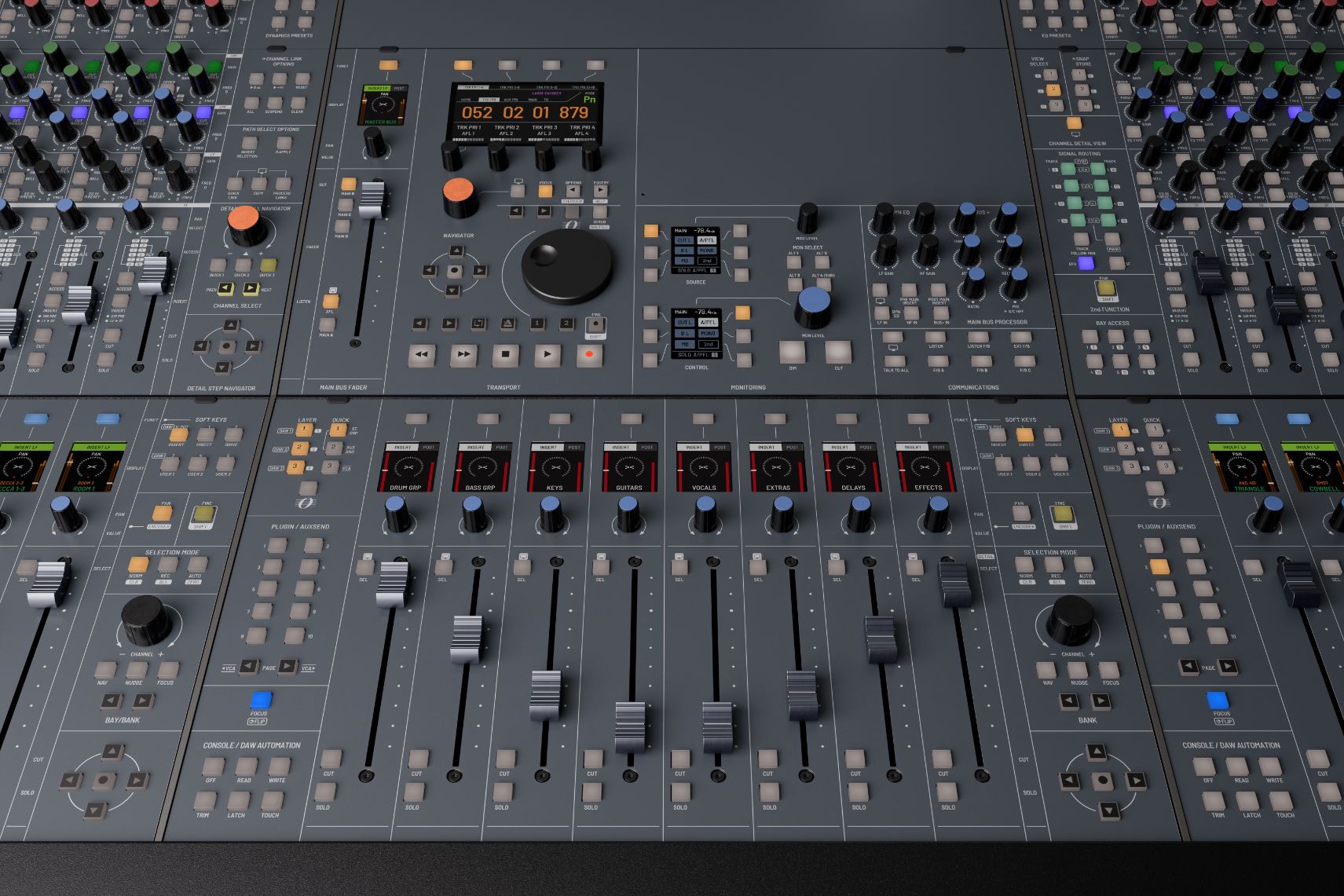
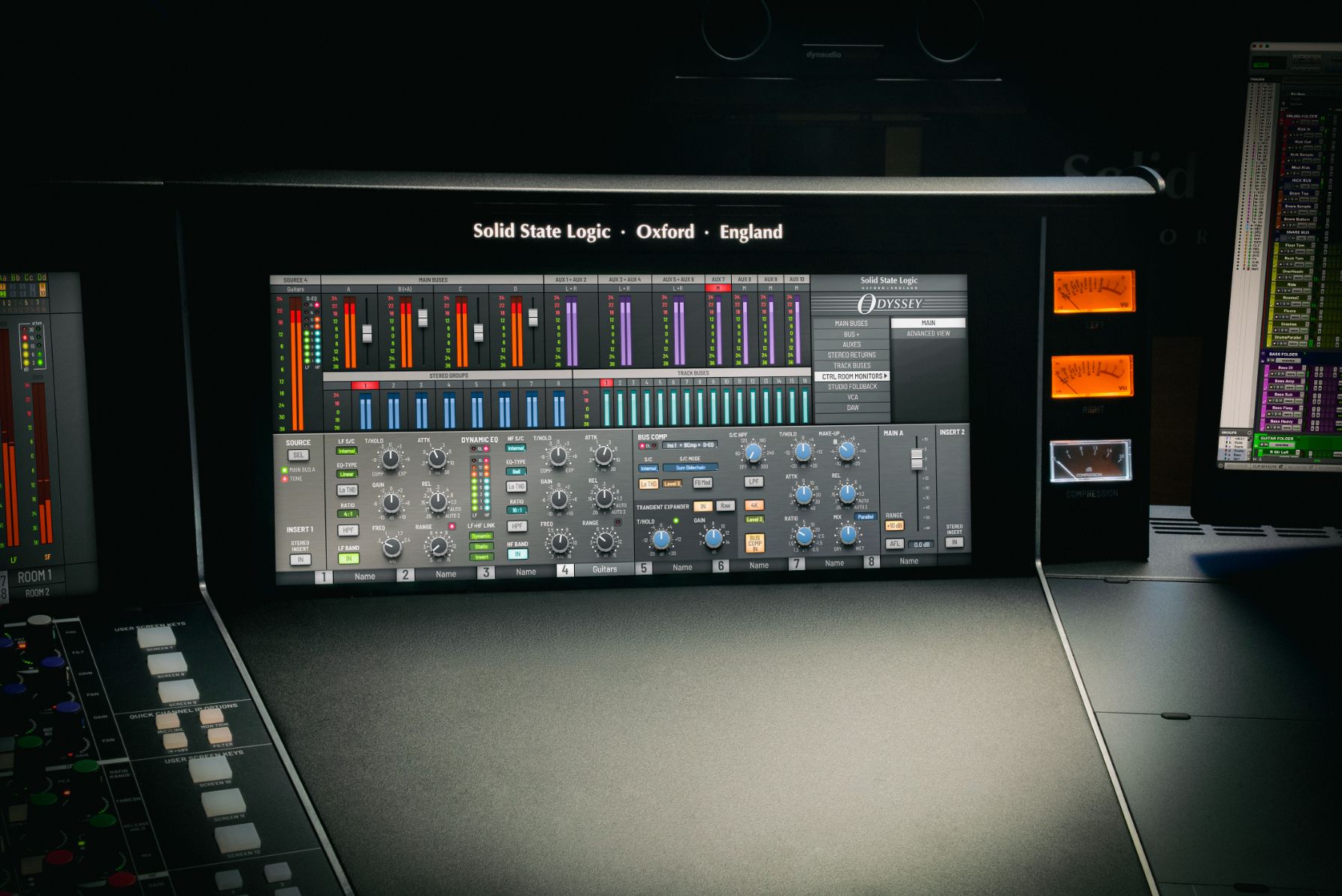
The central section of the Odyssey console brings together mixing, monitoring, and control functions into a single powerful, highly configurable workspace. It provides master level control for all buses, monitoring and feedback tools, eight fader-controlled stereo group inputs, and up to 24 VCA faders for managing the levels of multiple tracks directly from the center of the console.
The large central LCD display provides access to Main, Track, and Aux bus controls, foldback levels, and detailed positioning information, while dedicated controls on the panel allow for immediate operation of the Dynamic EQ, Bus Compressor, Main Bus processing, DAW transport, jog/shuttle, talkback, monitoring, monitor selection, foldback, and solo functions. A slot for a tablet or controller powered via USB-C keeps additional studio tools within reach, complementing a center section that is powerful, flexible, and designed with the workflow of modern mixing consoles in mind. (The devices shown in the photo are not included in the package.)
Each stereo group input can receive 16 Track buses in pairs and includes pan control, a switchable insert, a dedicated direct output, and routing to Track buses, Aux, and Main buses—which facilitates processing, routing, re-routing, and recording of stereo groups, tracks, and submixes directly from the console, all while maintaining phase consistency with the source and other mixing buses in the console.
Thanks to the Odyssey’s modular design, the center panel can be positioned closer to the center faders or moved higher toward the meter bridge, creating space for a wireless keyboard or trackball between the central controls and the faders. Custom double-width center sections are also available, which expand the workspace, allowing for complex control layouts and the placement of Stream Decks and other studio accessories.
Detailed views of the central section
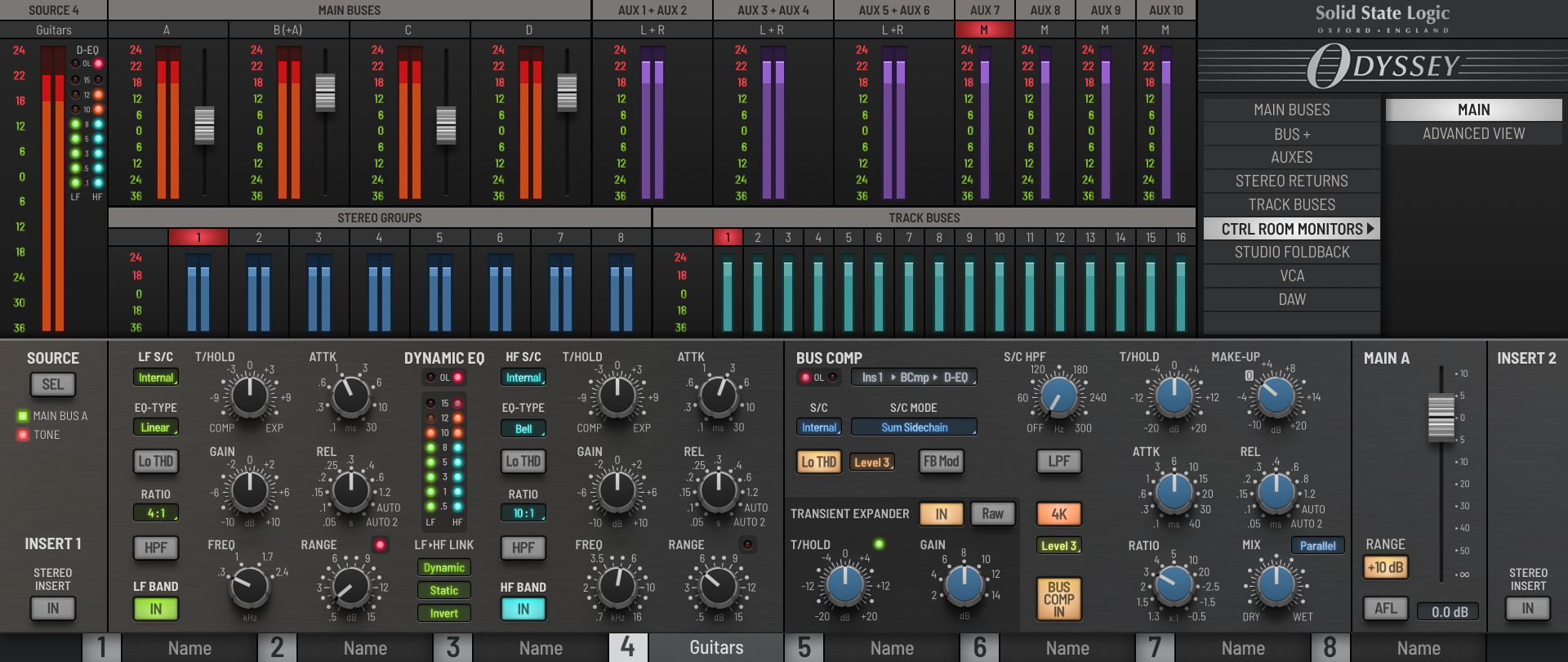
Detailed views of processing and routing are available in the center section of the Odyssey console, providing engineers with focused access to the console’s core mixing and control functions. When opened, the main meters automatically adjust their size so that the output bus meters remain visible, allowing you to keep an eye on key level information while adjusting more advanced processing controls.
Bus Architecture
The Odyssey console’s bus architecture provides engineers with exceptional routing flexibility for recording, mixing, track creation, monitor mixes, parallel processing, and hybrid workflows. With 34 mix buses available per channel, the Odyssey console offers 16 Track buses, 10 Aux buses, and four stereo Main Mix buses—Main A, as well as additional buses B, C, and D.
The 10 Aux tracks in the Odyssey can function as individual mono sends or be combined in odd/even pairs to create up to five stereo Aux tracks, ideal for foldbacks, effects sends, submixes, and stems. Each track’s large and small faders can be routed independently or simultaneously to any combination of buses, allowing you to create complex stem structures, alternate outputs, and parallel mixes directly from the console.
The four Main Mix stereo buses offer flexible options, with buses B, C, and D available for independent mixes, alternate takes, or parallel processing before summing to Main A. The Odyssey also integrates THE BUS+ module in the center section.
THE BUS+, an analog dynamic equalizer and more
THE BUS+ is a modern classic that carries the sonic consistency and power characteristic of the G Comp into the future. It offers four operating modes: LOW THD, Feedback, and „4K” saturation modes, as well as popular analog processors such as a dynamic equalizer, transient expander, and many others. Integrated into the Odyssey console, the THE BUS+ module significantly expands the console’s sonic capabilities and is fully reversible thanks to ActiveAnalogue™ technology.
Monitoring and Foldback
The Odyssey console’s monitoring system continues SSL’s tradition of advanced studio monitoring, supporting multiple monitor setups in the control room, three independent foldback signals, a headphone output on the front panel, and four stereo external inputs. A dedicated stereo input on the front panel also allows for quick connection of instruments, playback devices, or external Bluetooth receivers for instant reference playback from phones or tablets.
The Listen controls for the entire console provide monitoring in After Fade, Pre Fade, Solo In Front, and Solo In Place from channels, stereo group inputs, and buses, while the Studio Foldback section can draw signals from Aux buses, external inputs, and the console’s monitoring tracks to create flexible headphone mixes or playback signals. The Talkback and Studio Listen functions can be controlled from the control panel or remotely, with support for third-party headphone mixing systems.
Immersive Monitoring
For immersive production, Odyssey can delegate monitoring control to an external system, such as a Dolby Atmos renderer, working in conjunction with the DAW’s object panning and track insert functions, which allows for monitoring of analog-processed channel signals in an immersive mixing environment from the console’s main listening position.
Track and Aux Rails
The Odyssey console’s 10 Aux buses can be configured as mono sends or paired in odd/even pairs to create stereo sends, allowing the console to adapt to the needs of any session. Complex tracking setups can combine multiple stereo foldback mixes with mono effects sends, while during mixing sessions, stereo Aux tracks can be used for parallel processing alongside mono sends for reverbs, delays, and outboard effects.
To provide greater routing flexibility, AUX buses 9 and 10 can feed the Track buses via the channel’s internal EFX bus, allowing you to create multiple channel groups under independent fader control. These signals can be routed back through the stereo group inputs for insert processing, stereo imaging control, and precise level management.
The 16 Track Odyssey channels can be fed from tracks with both large and small faders, and routing is available in mono mode or as odd-even pairs in stereo mode, according to the channel mix bus panning. This provides engineers with fast and flexible ways to create stereo groups, tracks, alternate outputs, and complex mix structures directly from the console.
Stereo Group Inputs
Odyssey offers eight flexible, fader-controlled stereo group inputs for creating tracks, submixes, parallel processing tracks, and alternative mix versions. Each stereo group can accept 16 Track buses in stereo pairs and includes pan control, a switchable insert, a dedicated direct output, and routing to Track, Aux, and Main buses.
For advanced stereo signal processing, the Image processor can function as an MS encoder before the insert, allowing for independent processing of the Mid and Side signals, with the option to select MS decoding upon return from the insert. This simplifies the processing, routing, recombining, and recording of stereo groups, tracks, and submixes directly from the console.
DAW Control
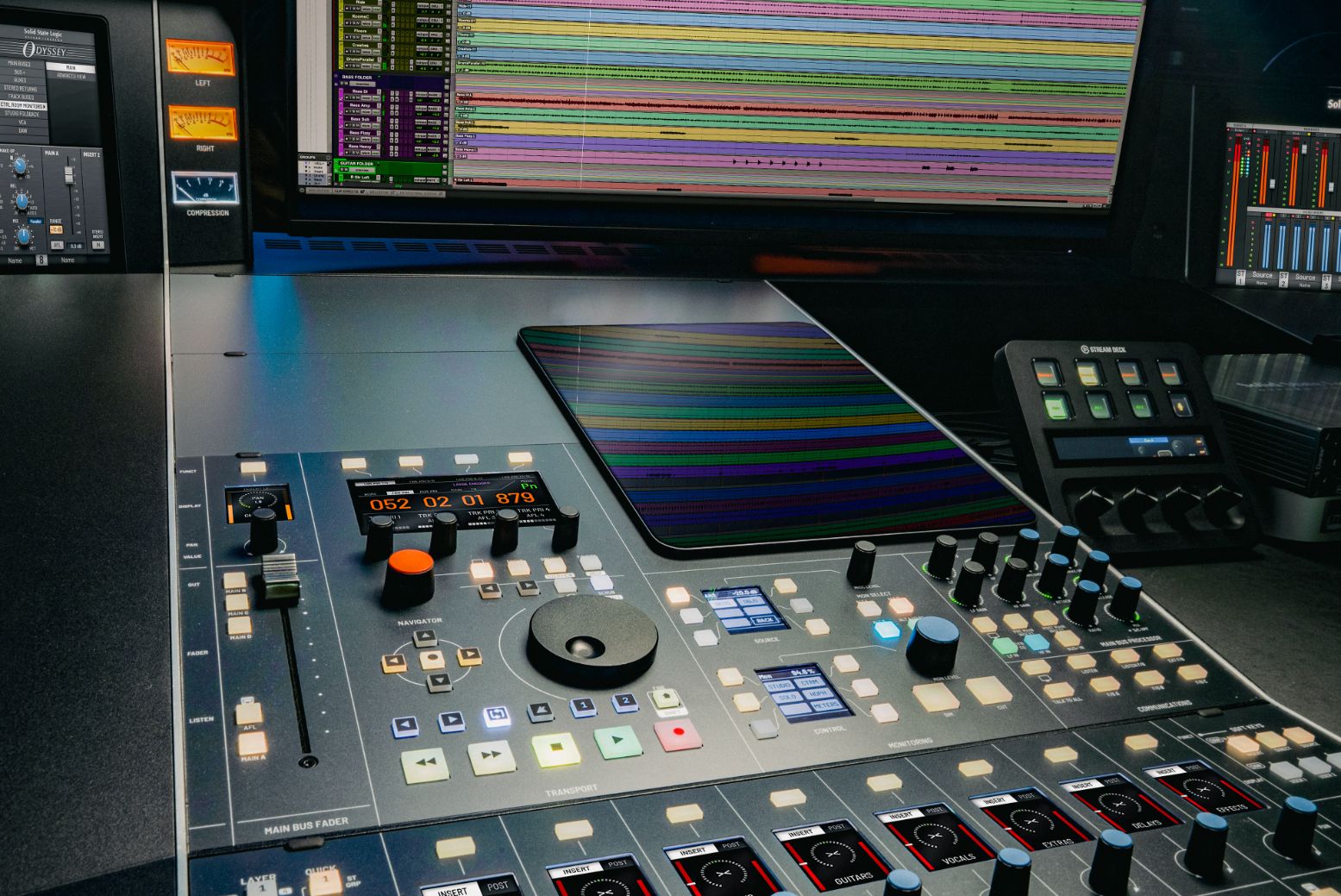
Odyssey integrates advanced DAW control with the console’s architecture, giving engineers direct control over both analog signal paths and workstation sessions from a single, unified panel. Using the FOCUS key, each 8-channel module can be independently switched between analog processing and DAW control, allowing for parallel analog and DAW workflows across the entire console.
Engineers can adjust DAW tracks, navigate complex sessions, control key workstation functions, and shape analog channels without leaving the monitoring station or interrupting the mix. With SSL 360° Odyssey technology, Odyssey brings modern DAW control to the flagship analog console workflow—preserving the console’s scale, character, and purpose while expanding the range of elements that can be controlled from the panel.
Immersive Production
Odyssey can integrate with immersive monitoring systems from other manufacturers, including solutions such as the Dolby Atmos Renderer, allowing spatial monitoring to be controlled directly from the console. Once configured using O-Setup and activated from the monitoring section, Odyssey can mute its own analog stereo monitoring and send control commands to the immersive audio renderer.
Combined with the Instant Recall feature, this gives engineers a faster and more repeatable way to manage complex immersive sessions—from switching between monitoring environments to reverting to previous versions of Atmos mixes while maintaining consistency.
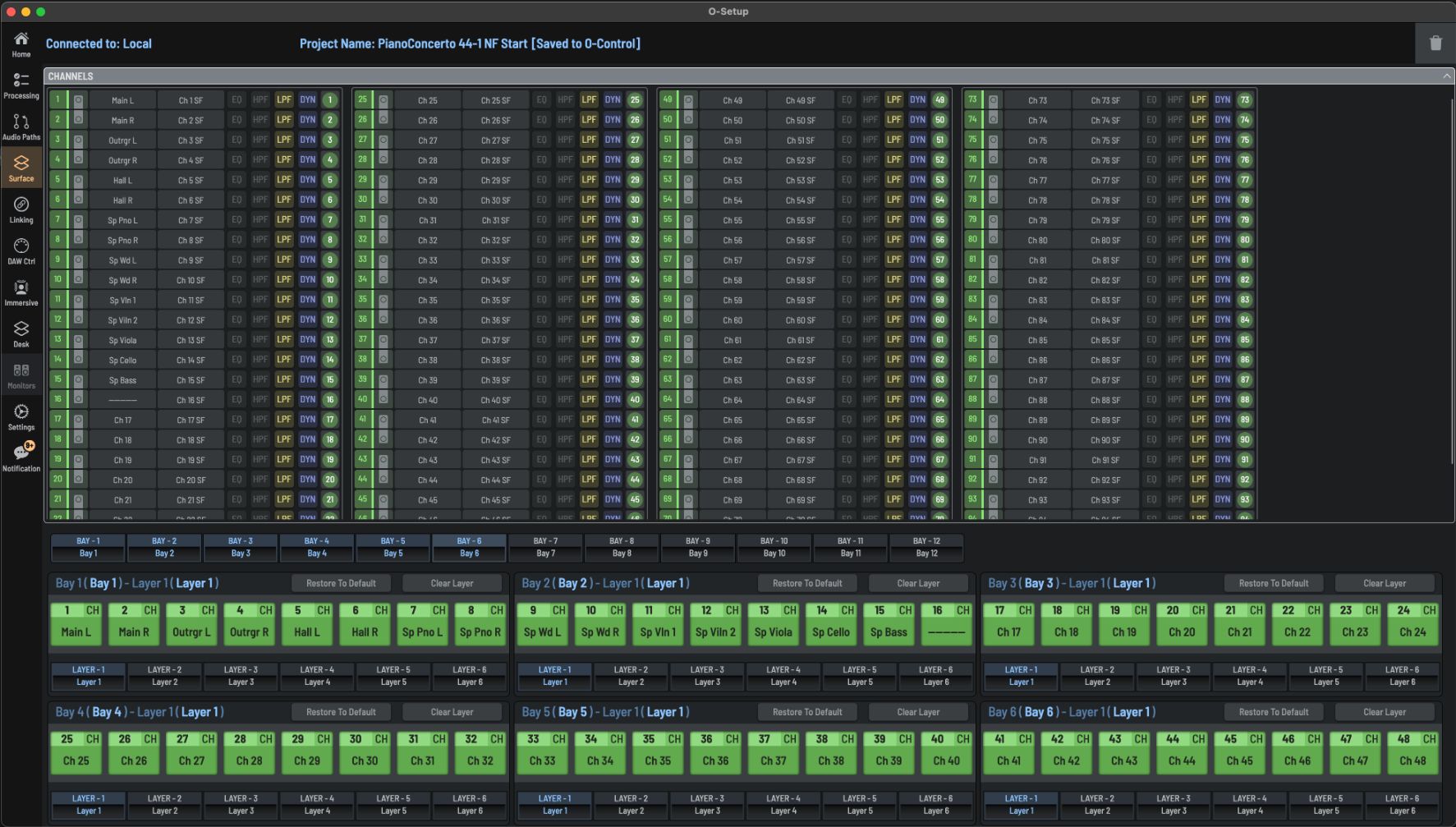
Session Management in O-Control
The O-Control application suite includes the following set of applications:
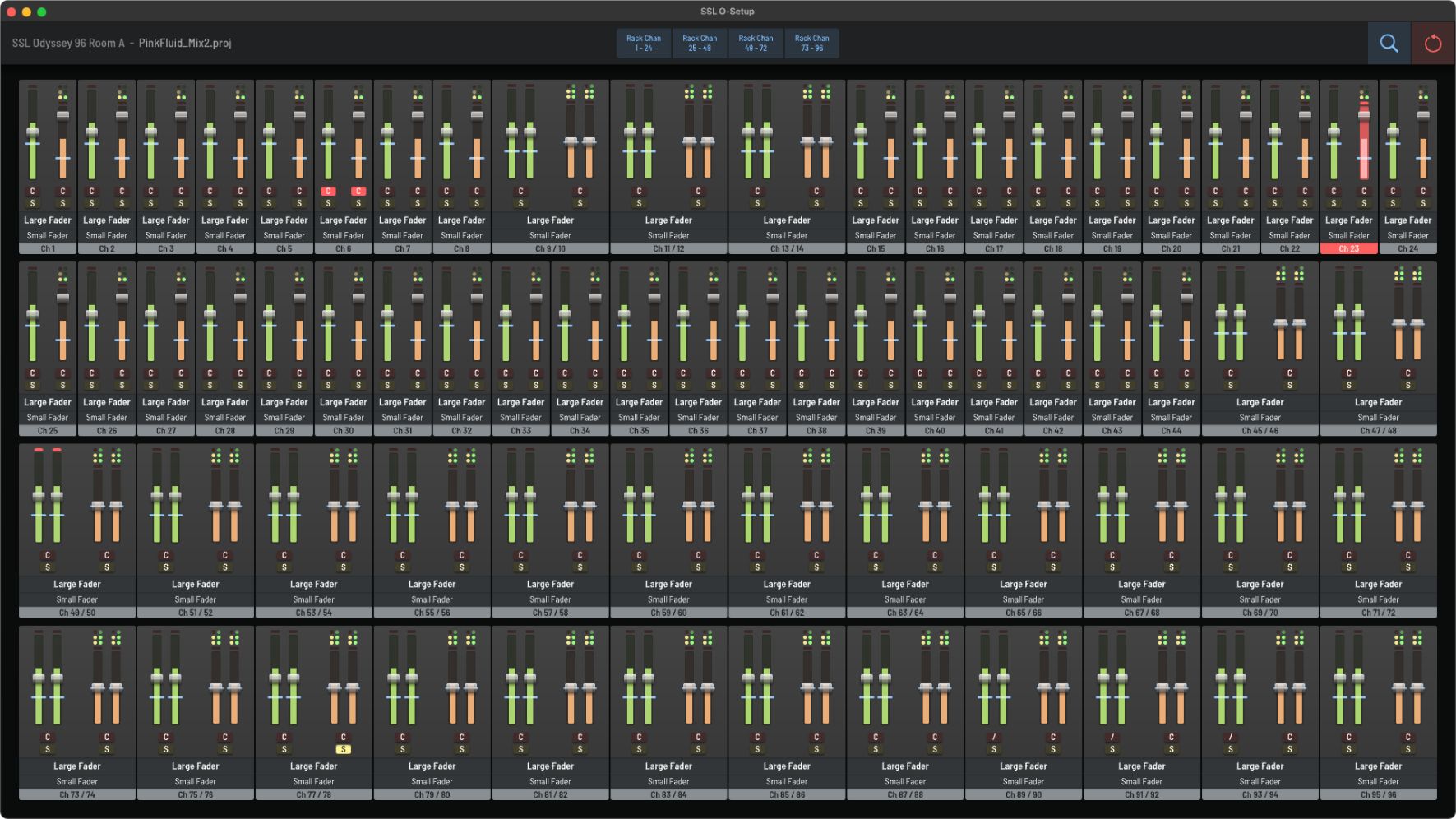
- O-Setup: Manages console settings
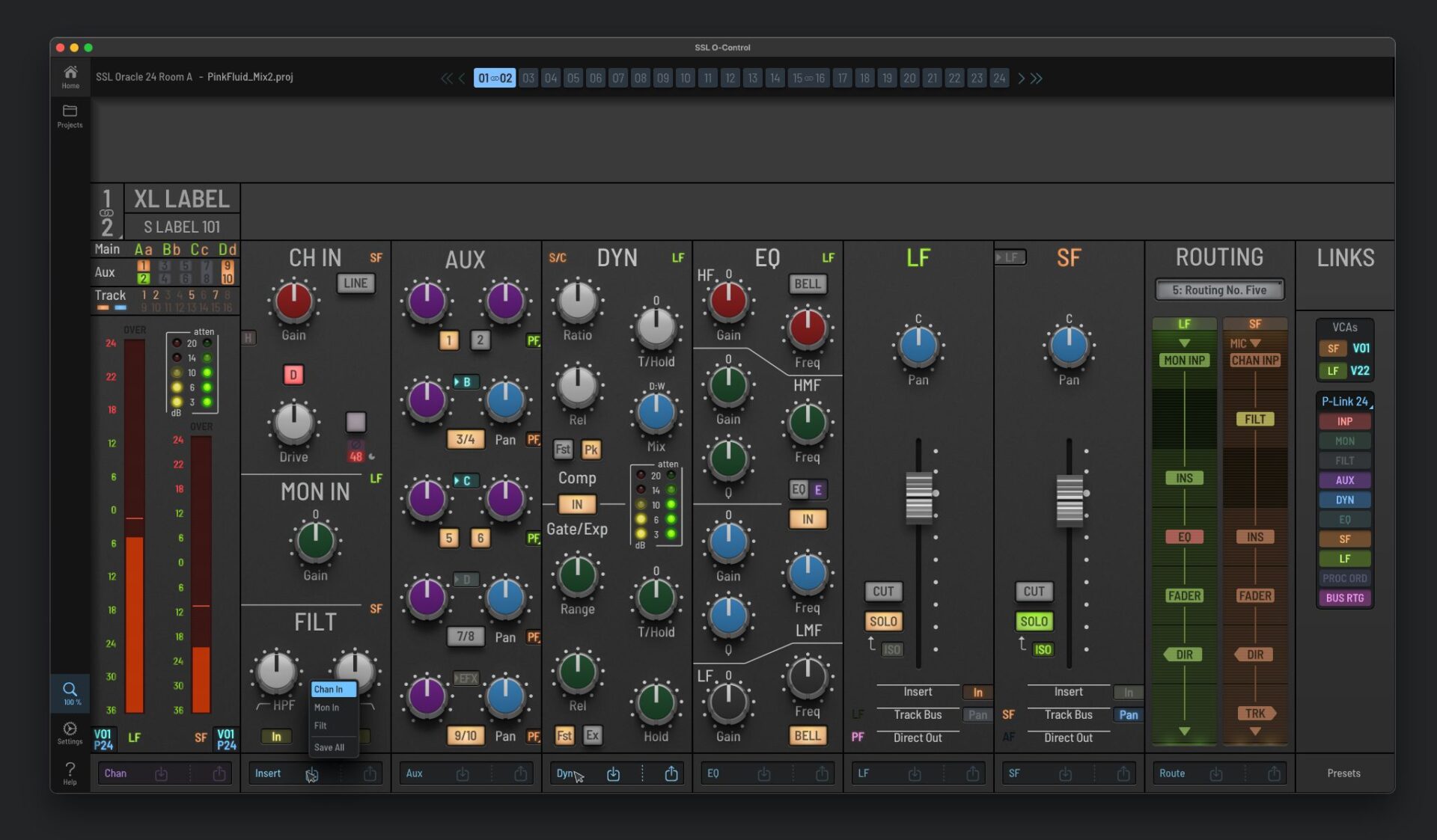
- O-Session: Manages the saving and loading of projects, presets, and snapshots, as well as the control and monitoring of the console's processing section.
- O-Overview: Displays an „overview” of the console channels, including meter readings, the positions of the large and small faders, and the cut and solo statuses.
The O-Control application suite provides online and offline configuration, control, and session management for Odyssey and Oracle consoles on Windows and macOS systems. When used in conjunction with a console or in standalone mode, it allows you to create, edit, update, and prepare project information before starting a session—reducing setup time and bringing greater organization to the studio’s demanding workflows.
O-Setup manages the console's settings, including all gain, routing, and processing parameters. O-Session handles projects, presets, snapshots, and control of the processing section, while O-Overview provides visibility into all channels’ meter readings, the positions of large and small faders, and cut/solo status. Together, they give engineers and studio teams the tools to set up faster, manage sessions efficiently, and organize complex productions clearly.
O-Motion Automation System
O-Motion brings Odyssey and Oracle console automation directly into the DAW environment, allowing engineers to record, play back, and edit console parameters using familiar Pro Tools automation playlists or Logic Pro tracks. Building on SSL’s industry-leading tradition of advanced console automation, it combines direct control with the precision, flexibility, and editing capabilities of DAW automation.
Thanks to the O-Motion plug-in for DAWs, changes made on the Odyssey console are recorded in the DAW, where they can be edited, copied, trimmed, synced to tempo, and rearranged just like any other automation data. Each instance of the plug-in can be assigned to any console channel, VCA group, AUX bus, stereo group, or main bus.
Standard, ProStation, and Custom Configurations
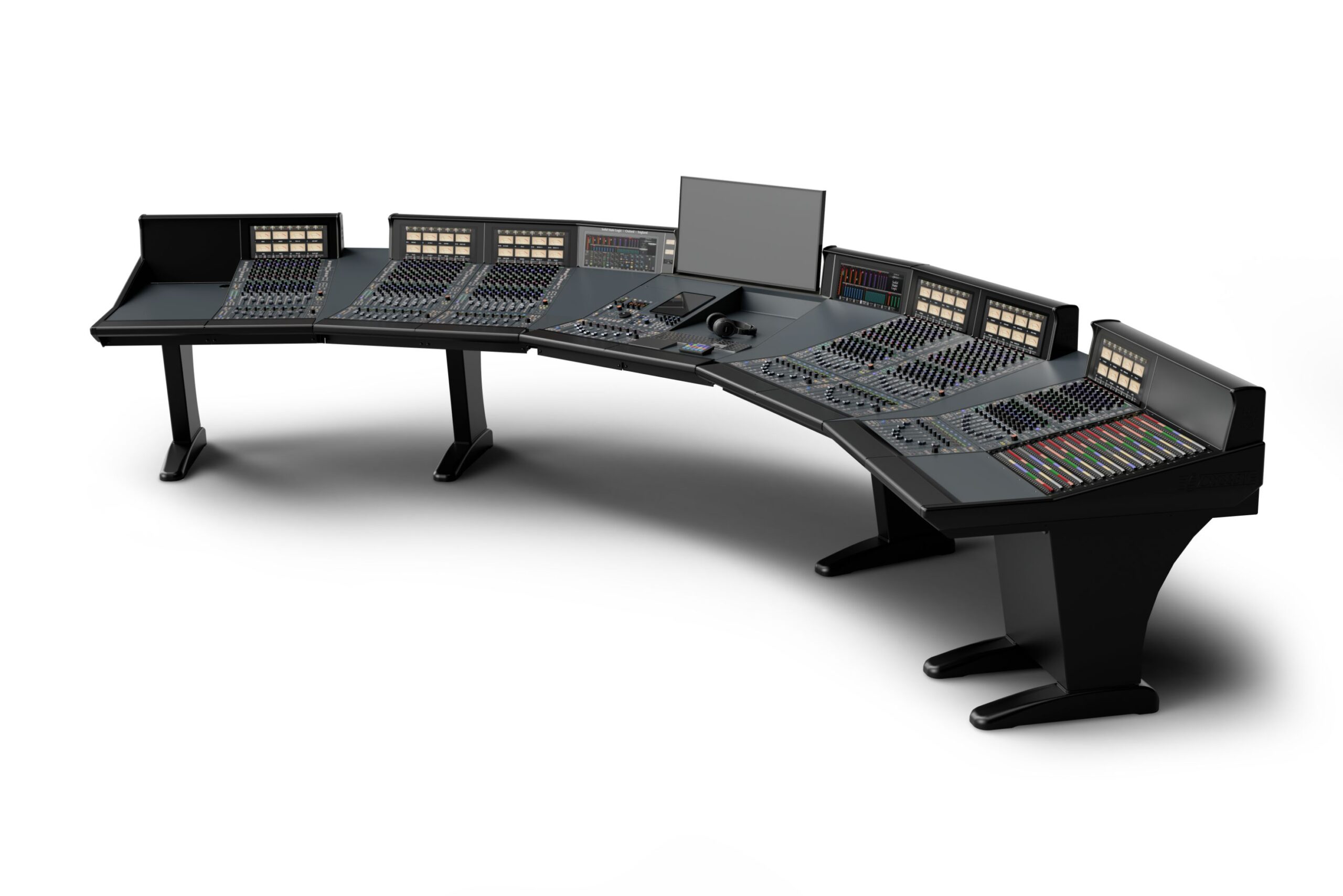
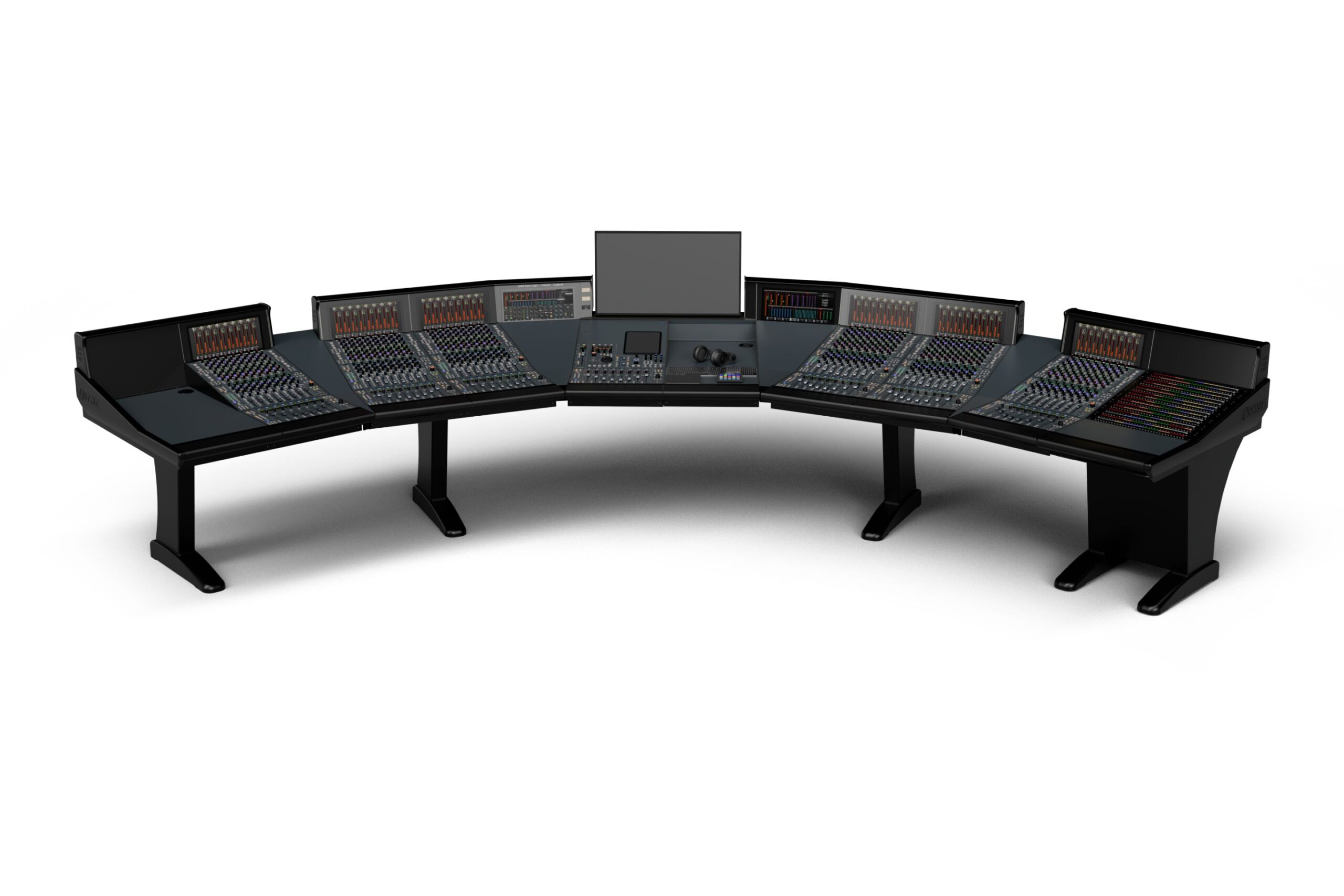
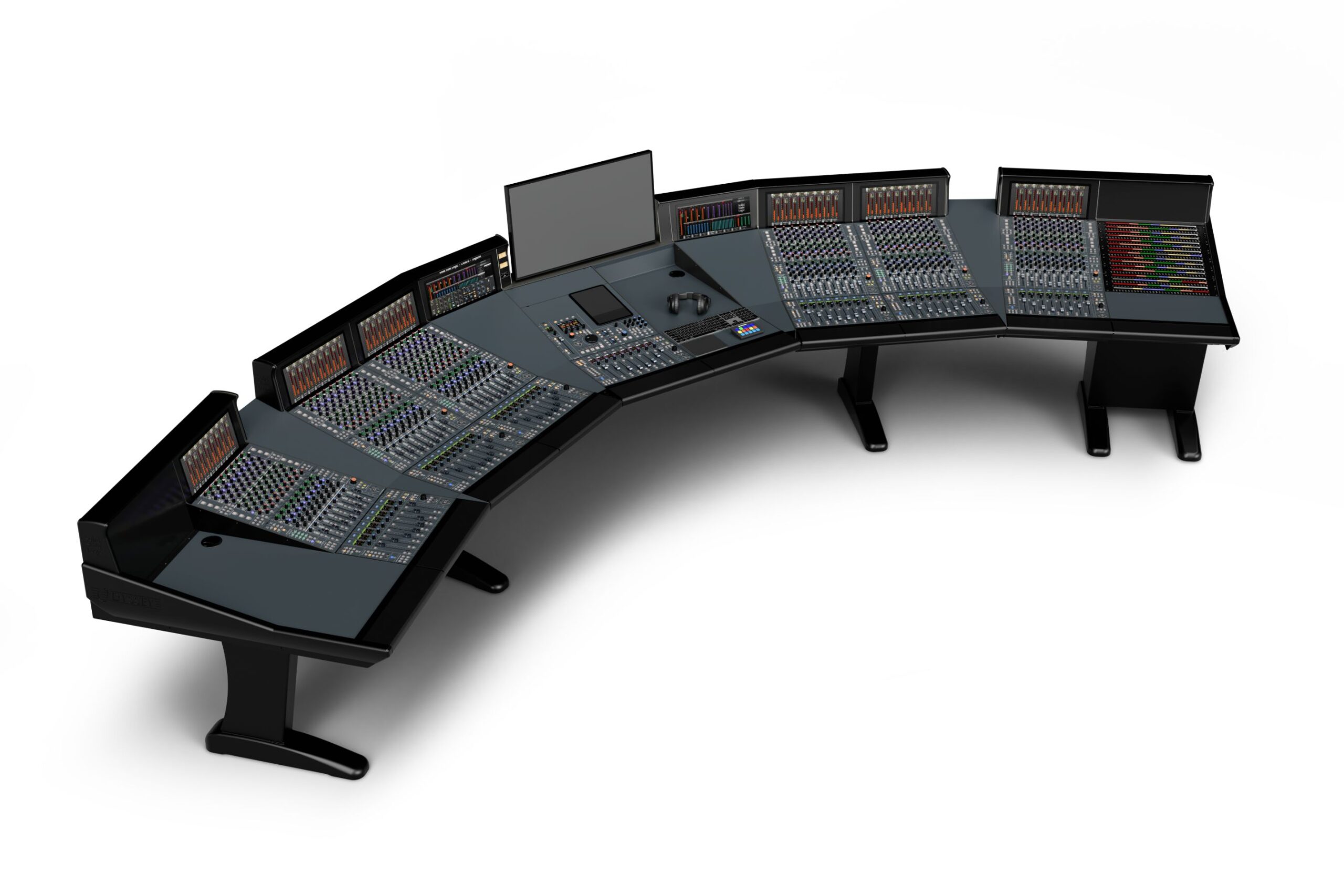
The Odyssey console is available in standard, ProStation, and fully custom configurations, allowing each console to be tailored to ergonomic requirements, workflow, and control room architecture. Standard configurations with a simple frame include 24, 32, and 48 channels, while larger 64-, 72-, and 96-channel systems are available for facilities requiring greater scalability.
To enhance the operator’s focus and reach, the Odyssey console is also available in a curved ProStation version, allowing the console surface to naturally wrap around the listening position. Configurations with a custom frame are available with sections angled at 15° or 25°, allowing studios to create the ideal console shape tailored to the room layout and workflow.
The ProStation console and custom configurations can also be equipped with a split meter bridge above the center section, which allows DAW screens to be placed lower and closer to the operator. This creates a more integrated production environment, improving visibility, reducing distance, and ensuring seamless synchronization between console control, session navigation, and screen-based workflows.
ActiveAnalogue™ Processing Rack
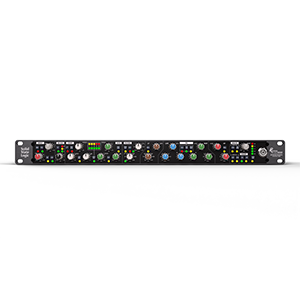
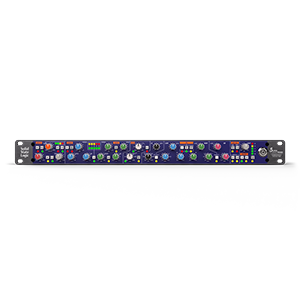
Odyssey systems typically use two to five dedicated processing racks, depending on the specifications: one for processing the central section and one to four for processing the channels. Placing the analog processing in dedicated racks helps maintain clarity, ergonomics, and ease of use at the console, while also ensuring a scalable system design, easier maintenance, better temperature management, and long-term reliability.
Racks can be located away from the control panel, mounted on the floor, in a server cabinet, or installed in a control room or separate machine room. Active cooling ensures consistent performance, and a noise level below NR25 allows for flexible installation with minimal impact on the listening environment.
- The Future Analogue console is designed for recording sessions, overdubs, and large-scale mixing
- ActiveAnalogue™ Instant Recall technology, delivering unmatched performance
- 4 Stereo Mix buses, 16 Track buses, 10 AUX buses, 8 „Flex” stereo groups, 3 stereo foldback buses
- Modular design, available in configurations ranging from 24+8 to 96+8 channels, in straight, curved „Pro Station” versions, and with frames customized to individual needs
- High-performance PureDrive™ microphone preamps with a „Drive” control”
- SSL Channel Dynamics: Compressor/Limiter, Gate/Expander
- 4-band SSL parametric equalizer with switchable E/G series curves and Q characteristics
- Assigned high-pass and low-pass filters and insertion points
- High-quality motorized small 60-mm slider and large 100-mm slider
- THE BUS+ and Analogue Dynamic EQ Integrated Processors
- Flexible monitoring offers a variety of stereo and immersive mixing options
- Transparent VU-type or plasma-style meters with a dynamic „Detail View”
- Advanced DAW control, configurable on a „per-fader-bay” basis”
- O-Motion Plug-in Dynamic Automation System
- O-Control Application Suite: Online and Offline Tools for Session Preparation and Console Configuration
- The 13U 19” rack cabinet (or cabinets) houses all analog circuits and can be located remotely, in the control room, or under the console